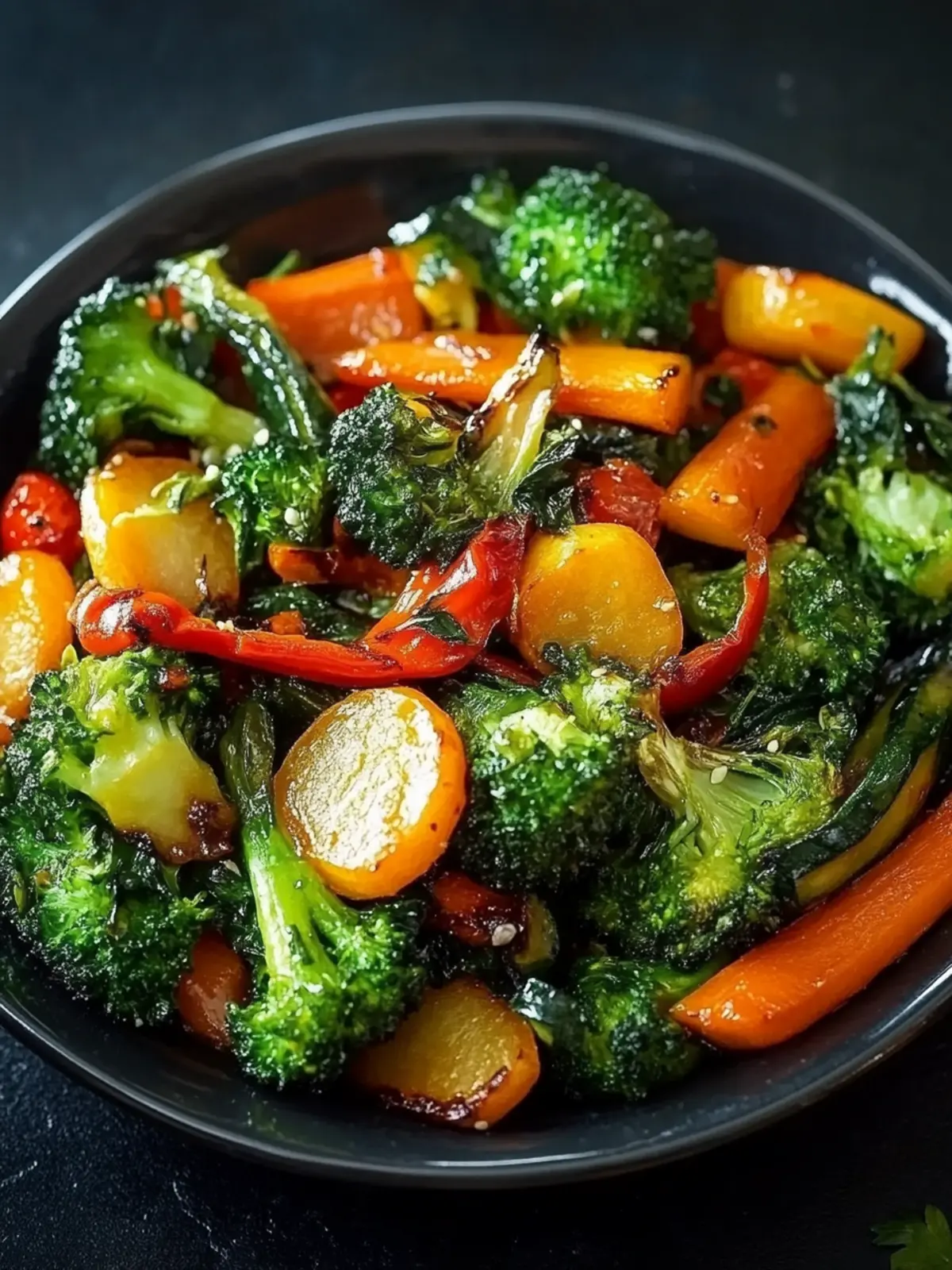
There’s something so satisfying about the vibrant colors and fresh scents wafting from my kitchen when I whip up a batch of Healthy Sautéed Vegetables. Picture this: it’s a busy weekday evening, and I’m searching for a quick yet nutritious side dish to accompany dinner. That’s when these vegetables come to the rescue, transforming my tired plate into a celebration of flavors and textures in just 25 minutes!
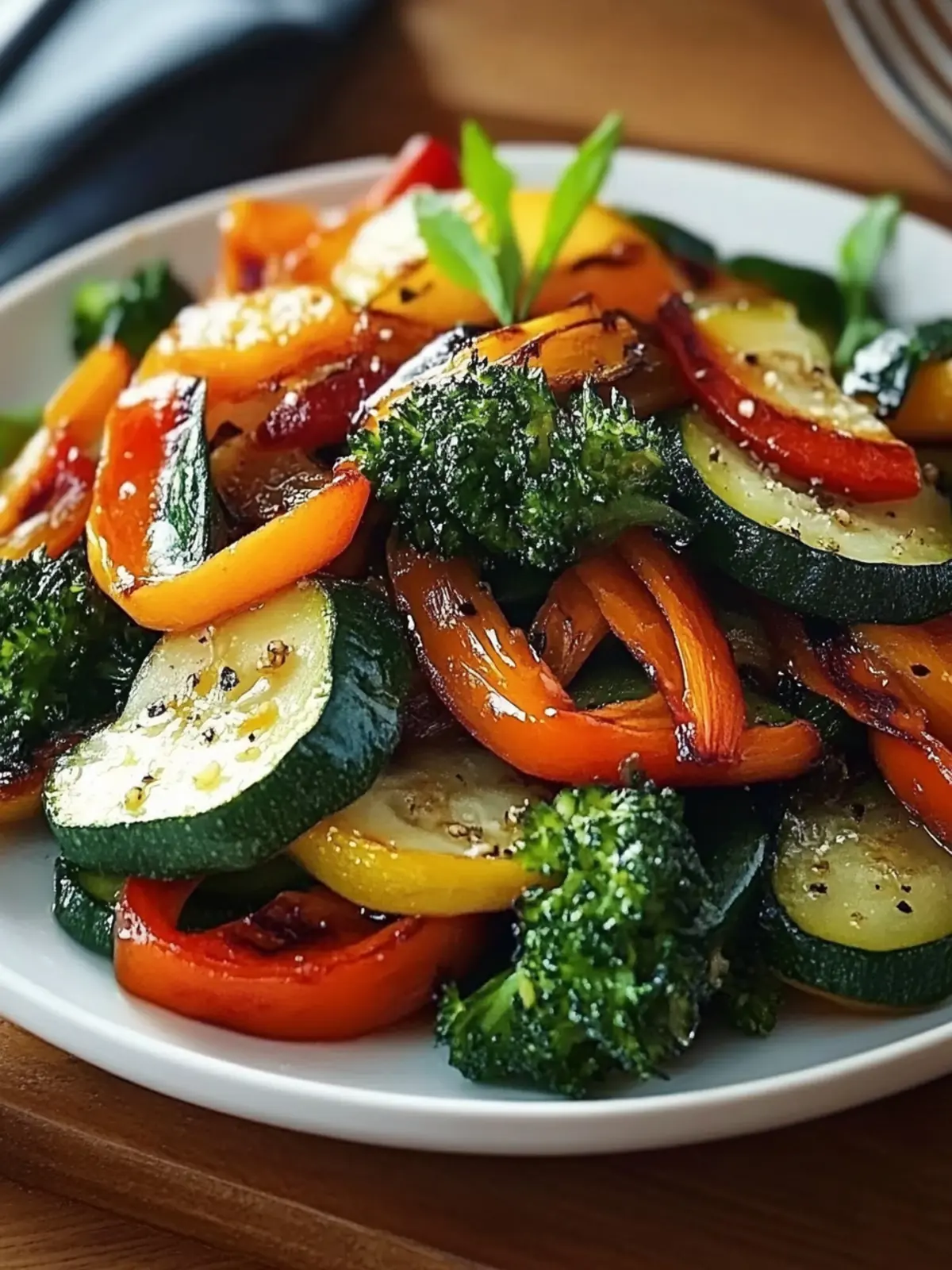
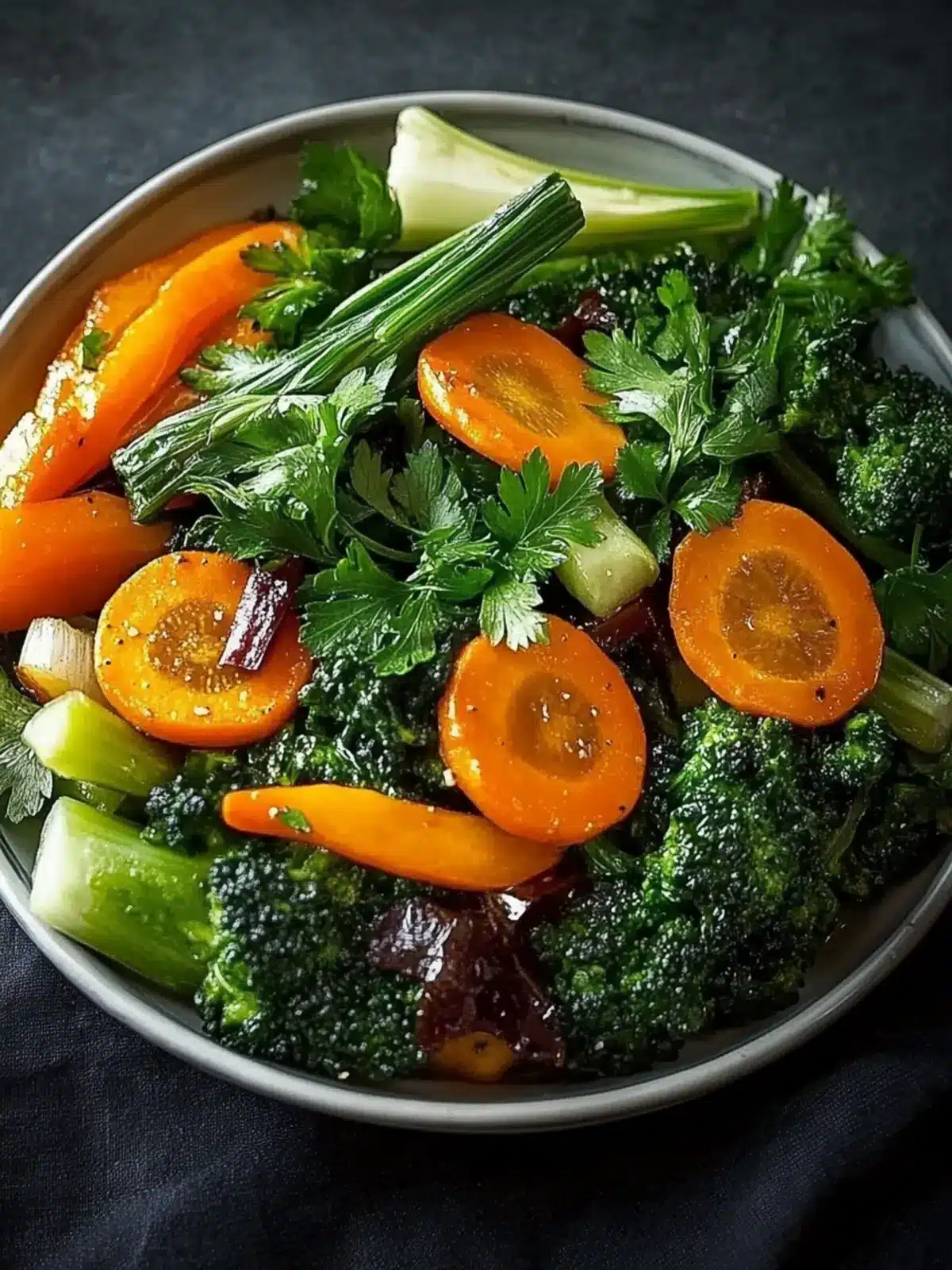
What I love most about this recipe is its versatility; you can mix and match based on what’s in your fridge or what’s in season. Whether it’s crisp bell peppers, hearty zucchini, or delicate snap peas, every bite bursts with essential vitamins and minerals. A simple drizzle of olive oil, a dash of salt, and a squeeze of lemon juice elevate this dish into something truly special.
Join me as we explore this delightful medley that not only supports a healthy lifestyle but also satisfies those cravings for homemade goodness. Let’s bring some color to your dinner table!
Why are Healthy Sautéed Vegetables a must-try?
Quick and Easy: This recipe takes just 25 minutes from start to finish, making it ideal for those busy weeknights.
Nutrient-Packed: Each colorful vegetable is loaded with vitamins, ensuring your meal is as healthy as it is delicious.
Versatile Choices: Swap in your favorite vegetables; it’s a perfect way to use up what’s in your fridge or embrace seasonal produce.
Flavor Boost: A simple seasoning of olive oil, garlic, and lemon juice enhances the fresh, vibrant flavors of the veggies.
Crowd-Pleaser: It pairs beautifully with any protein or can be served as a stunning centerpiece in grain bowls; everyone will love it!
For even more inspiration, check out our guide on healthy cooking essentials.
Healthy Sautéed Vegetables Ingredients
These ingredients will form the vibrant base of your dish.
For the Base
- Olive Oil – Provides necessary fat for cooking and enhances flavor; can also use avocado oil for a different taste.
- Garlic – Adds aromatic depth and enhances overall flavor.
- Onion – Acts as a foundational flavor base; slice thin for even cooking.
For the Veggies
- Bell Pepper – Offers sweetness and color; substitute with any preferred pepper variety.
- Zucchini – Gives a tender texture and absorbs flavors well; slice into half-moons for even cooking.
- Broccoli Florets – Adds crunch and nutrients; can swap with cauliflower for a similar bite.
- Carrot – Provides sweetness and color; julienne or slice thin for quick cooking.
- Snap Peas – Contributes a fresh crunch; can be swapped with green beans.
- Mushrooms – Adds umami flavor; any fresh mushroom will do.
Seasoning
- Salt and Black Pepper – Essential for seasoning; adjust to taste.
- Lemon Juice/Balsamic Vinegar/Soy Sauce (optional) – Enhances flavor depth and brightness.
Optional Toppings
- Toasted Nuts – Adds extra texture and a satisfying crunch.
- Seeds – For a nutty flavor and added nutrients.
- Fresh Herbs – Brightens up the dish with fresh flavor.
- Grated Parmesan – Elevates the dish with added richness.
With these ingredients at hand, you’re ready to create healthy sautéed vegetables that will bring both color and nutrition to your table!
How to Make Healthy Sautéed Vegetables
-
Prepare the Veggies: Start by washing, peeling, and cutting all your vegetables into uniform pieces. This step is crucial for even cooking and ensures every bite is delightful.
-
Heat the Oil: Pour olive oil into a skillet and heat it over medium-high temperature. You’ll know it’s ready when the oil shimmers slightly.
-
Sauté Aromatics: Add minced garlic and sliced onions to the hot oil. Sauté for 1-2 minutes until they’re fragrant and the onions begin to turn translucent.
-
Cook the Roots: Toss in the julienned carrots and broccoli florets first. Cook for about 3-4 minutes while stirring frequently, allowing them to soften slightly but maintain a vibrant color.
-
Add the Rest: Now introduce your bell peppers, zucchini, mushrooms, and snap peas. Sauté them together for another 4-5 minutes until they are crisp-tender and vibrant.
-
Season Well: Sprinkle salt and black pepper to taste. For an extra kick, drizzle with lemon juice or balsamic vinegar, mixing thoroughly to combine all flavors.
-
Serve and Enjoy: Transfer your beautiful sautéed vegetables to a serving dish. Toss with optional toppings like fresh herbs or toasted nuts right before serving for an elevated finish.
Optional: Drizzle with extra lemon juice just before serving for a burst of freshness.
Exact quantities are listed in the recipe card below.
How to Store and Freeze Healthy Sautéed Vegetables
- Fridge: Store cooked healthy sautéed vegetables in an airtight container for up to 3 days. To maintain their crisp texture, consider slightly undercooking them before storage.
- Freezer: For longer storage, freeze sautéed vegetables in a single layer on a baking sheet, then transfer to a freezer-safe bag for up to 3 months.
- Reheating: When ready to enjoy, reheat in a skillet with a splash of water or broth to bring back their vibrant texture.
- Room Temperature: Avoid leaving cooked vegetables out at room temperature for more than 2 hours to ensure food safety.
What to Serve with Healthy Sautéed Vegetables?
Pair these colorful, nutrient-packed sautéed vegetables with delightful dishes that balance flavors and textures beautifully.
-
Grilled Chicken: Juicy grilled chicken complements the crunchy medley perfectly, enhancing your meal with protein without overpowering the fresh flavors.
-
Quinoa Salad: A light, fluffy quinoa salad adds heartiness and pairs well, providing a delightful contrast to the crisp sautéed vegetables on your plate.
-
Pasta Primavera: Tossing these vibrant veggies into a light pasta primavera creates a stunning, wholesome dish that feels both light and satisfying.
-
Tofu Stir-Fry: For a vegetarian option, a tofu stir-fry infused with soy sauce and ginger harmonizes beautifully with the sautéed vegetables, making a filling meal.
-
Roasted Sweet Potatoes: The natural sweetness of roasted sweet potatoes adds warmth and a velvety texture that beautifully balances the crunch of your sautéed medley.
-
Herbed Couscous: Fluffy couscous, infused with fresh herbs, effortlessly absorbs the seasoned juices from the vegetables, making every bite a burst of flavor.
-
White Wine: A crisp white wine, such as Sauvignon Blanc, complements the freshness of the dish beautifully, creating a satisfying pairing with vibrant notes.
-
Lemon Sorbet: A light lemon sorbet serves as a refreshing dessert after the vegetables, cleansing the palate with its zingy brightness.
Expert Tips for Healthy Sautéed Vegetables
- Even Cuts: Ensure all vegetables are cut to similar sizes for consistent cooking; this prevents some pieces from being overcooked while others remain raw.
- Avoid Steaming: Don’t overcrowd the pan; this can lead to steaming rather than sautéing. Cook in batches if necessary to maintain crispness.
- Crisp Texture: For meal prep, slightly undercook the vegetables. This helps retain a satisfying crunch when reheating later and enhances their freshness.
- Revive Freshness: When reheating sautéed vegetables, add a splash of water or broth in the skillet to restore their vibrant texture.
- Flavorful Boost: Experiment with various oils and seasonings to discover new flavor profiles in your Healthy Sautéed Vegetables; try sesame oil or herbs for a unique twist.
Healthy Sautéed Vegetables Variations
Feel free to get creative and customize this recipe to suit your tastes and needs!
- Seasonal Swap: Replace your current veggies with what’s in season, like asparagus in spring or squash in autumn. Explore the delightful variety nature offers!
- Protein Boost: Stir in pre-cooked chicken, shrimp, or tofu for a hearty, complete meal. This elevates not just the protein content but also the texture and flavor.
- Zesty Citrus: Squeeze in lime juice or add orange zest for a refreshing twist. The zesty brightness pairs beautifully with the sautéed veggies!
- Herbal Infusion: Experiment with fresh herbs like basil, cilantro, or dill; they can add an aromatic touch that makes the dish pop. Herbs bring a fresh vibrancy that enchants the senses.
- Spice It Up: Add red pepper flakes, cayenne, or smoked paprika to introduce some heat and depth. A little spice can turn up the flavor profile significantly!
- Nutty Delight: Toss in toasted nuts like almonds or walnuts for an extra layer of crunch and richness. Their satisfying texture adds both flavor and nutritional benefits.
- Earthy Umami: Incorporate soy sauce or miso paste to enhance the umami depths of your sautéed veggies. These ingredients can transform the dish into a savory delight!
- Cheesy Goodness: Top with grated Parmesan or crumbled feta just before serving for a creamy finish that rounds out the flavors beautifully. The addition of cheese creates a delightful contrast against the fresh, crisp vegetables.
Make Ahead Options
These Healthy Sautéed Vegetables are perfect for meal prep enthusiasts! You can chop and store your vegetables up to 24 hours in advance, refrigerating them in an airtight container to keep them fresh and crisp. Consider slicing carrots, bell peppers, and zucchini ahead of time, as this not only saves you precious minutes during dinner prep but also helps prevent browning. When you’re ready to enjoy your dish, simply heat olive oil in a skillet, toss in your prepped veggies, and sauté as instructed in the recipe. Finish with a sprinkle of salt and any optional seasonings, and you’ll have a deliciously vibrant side ready in no time!
Healthy Sautéed Vegetables Recipe FAQs
What vegetables are best for sautéing in this recipe?
Absolutely! Fresh vegetables like bell peppers, zucchini, broccoli, carrots, snap peas, and mushrooms work wonderfully for this recipe. The key is to choose vegetables that are vibrant and firm, avoiding any that show dark spots or are wilted. Seasonal veggies also add more flavor and freshness, so feel free to experiment!
How should I store leftover sautéed vegetables?
You can store your healthy sautéed vegetables in an airtight container in the fridge for up to 3 days. To keep their crispness, consider slightly undercooking them before storing. Just be sure to let them cool completely before sealing them up—this helps prevent moisture buildup inside the container.
Can I freeze healthy sautéed vegetables?
Certainly! To freeze the sautéed vegetables, spread them out in a single layer on a baking sheet and freeze until solid, about 1-2 hours. Once frozen, transfer them to a freezer-safe bag and store for up to 3 months. When you’re ready to enjoy them, simply reheat in a skillet with a splash of water or broth to revive their texture.
Why are my sautéed vegetables mushy?
The key to avoiding mushy vegetables is to cook them over medium-high heat and make sure not to overcrowd the pan. When the pan is too full, vegetables steam instead of sauté, leading to a soft texture. If needed, cook in batches, and always cut vegetables to consistent sizes for even cooking.
Can I use frozen vegetables for this recipe?
Very! While fresh vegetables yield the best texture, you can absolutely use frozen vegetables in a pinch. Just be aware that they might release more water during cooking, so sauté them for a little longer to achieve that crisp-tender bite. You may also need to adjust the seasoning, as freezing can alter the flavor a bit.
Are sautéed vegetables safe for my pet to eat?
Generally, many sautéed vegetables are safe for pets, but it’s important to avoid adding salt or oils when cooking for them. Stick to non-toxic options like carrots and green beans for your furry friends. Always consult your vet before introducing new foods into your pet’s diet!
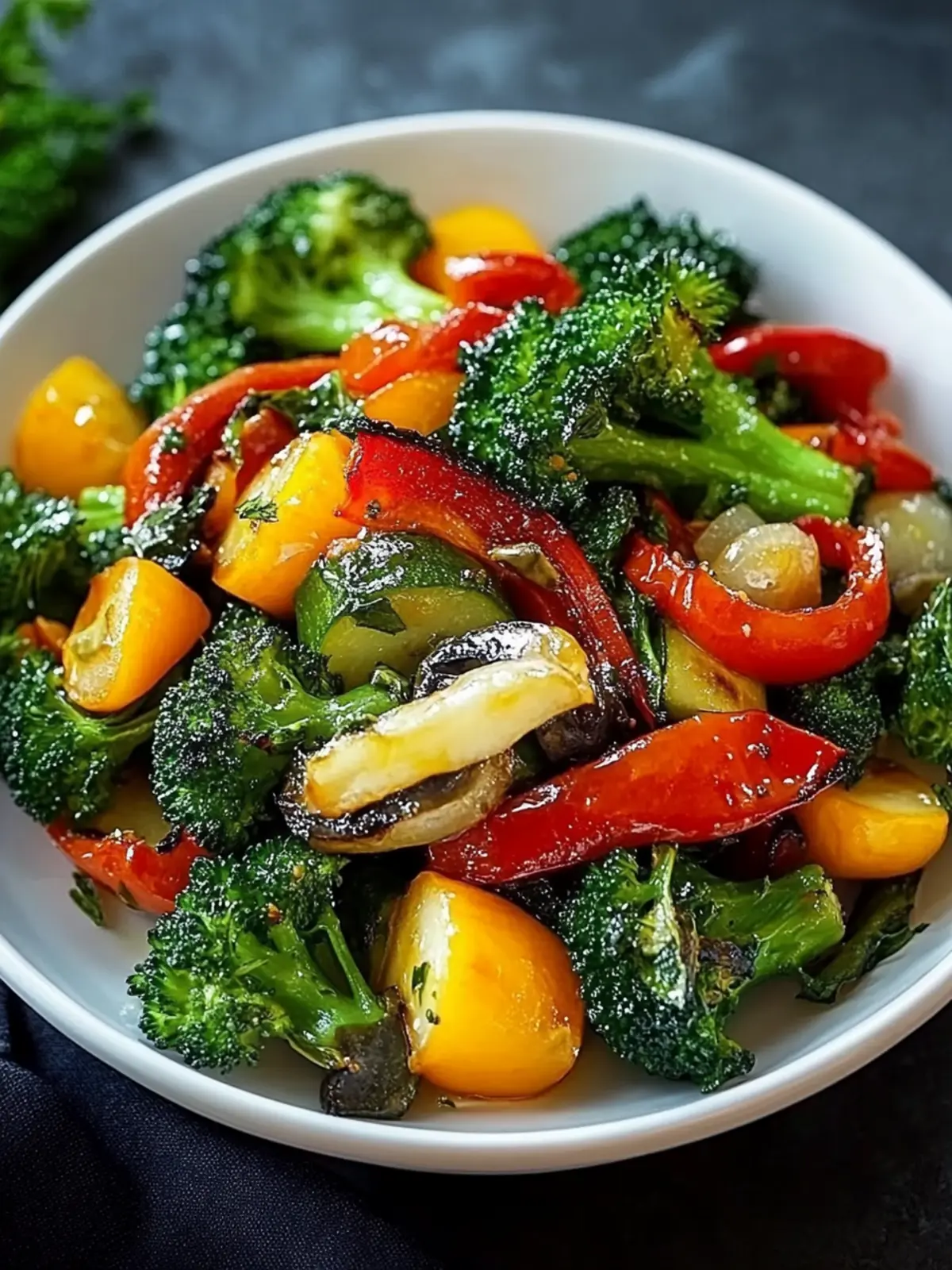
Vibrant Healthy Sautéed Vegetables for a Quick Delight
Ingredients
Equipment
Method
- Prepare the Veggies: Wash, peel, and cut all your vegetables into uniform pieces.
- Heat the Oil: Pour olive oil into a skillet and heat over medium-high temperature.
- Sauté Aromatics: Add minced garlic and sliced onions; sauté for 1-2 minutes until fragrant.
- Cook the Roots: Add julienned carrots and broccoli florets; cook for 3-4 minutes, stirring frequently.
- Add the Rest: Introduce bell peppers, zucchini, mushrooms, and snap peas; sauté for an additional 4-5 minutes.
- Season Well: Sprinkle with salt, black pepper, and drizzle with lemon juice.
- Serve and Enjoy: Transfer to a dish and add optional toppings if desired.