The moment I stepped into my kitchen, the tantalizing aroma of sizzling beef combined with the vibrant colors of fresh broccoli ignited my senses. I’ve always loved dishes that bring spice and warmth to the table, and this Gochujang Beef and Broccoli Bowl does just that. On particularly busy weeknights when fast food starts to feel like a monotonous routine, this savory and slightly spicy recipe transforms into a quick and delightful solution.
With its rich gochujang sauce enveloping tender beef and perfectly roasted broccoli, this bowl doesn’t just deliver on flavor—it’s also packed with nutrition and comfort. Plus, using just a handful of ingredients makes it a breeze to whip up, even on those hectic evenings when time isn’t on your side. Whether you’re a seasoned chef or someone rediscovering the joys of home cooking, this dish is about to become your new go-to for a satisfying and wholesome meal. Let’s dive in!
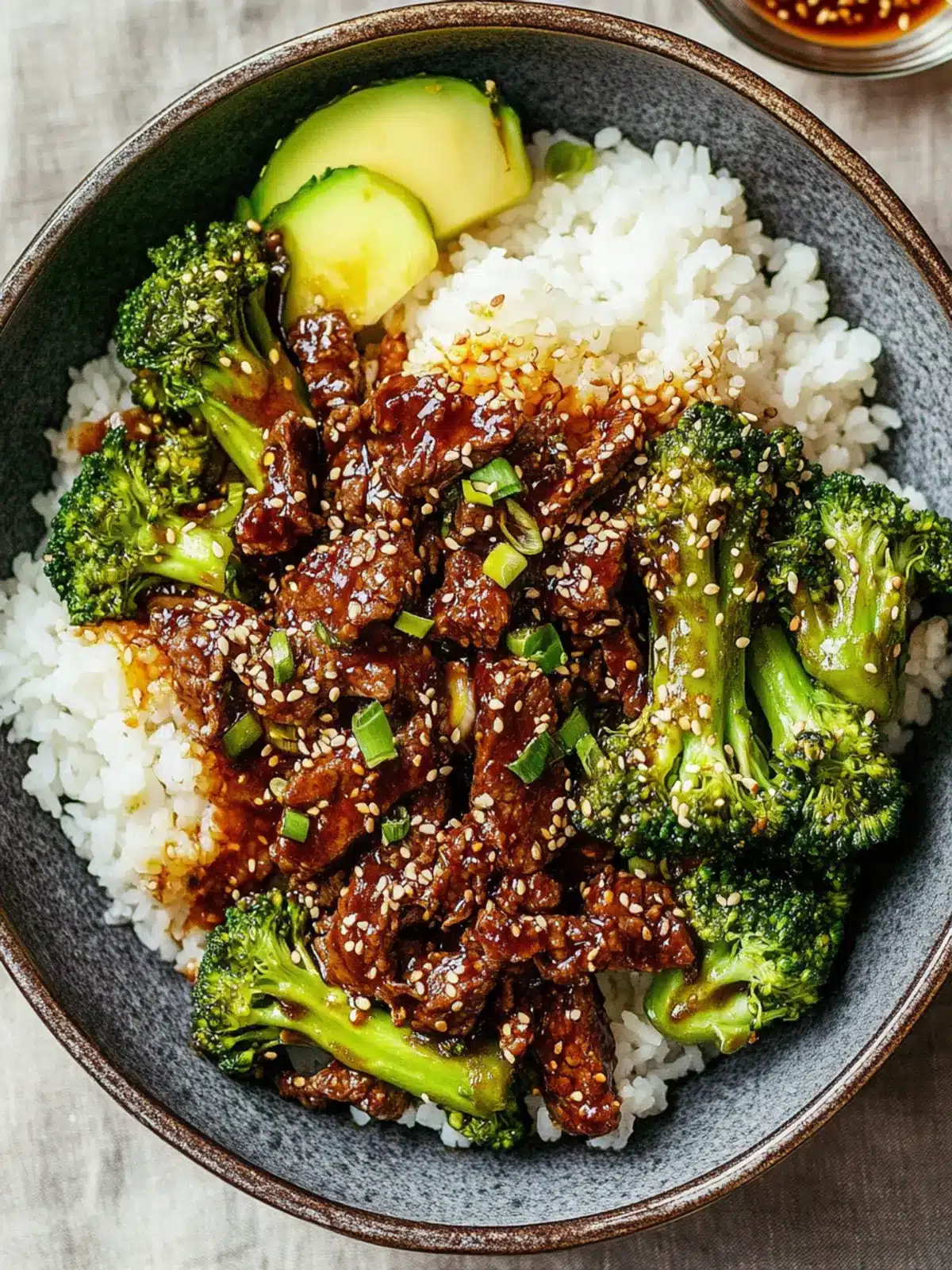
Why is Gochujang Beef and Broccoli a must-try?
Quick and Easy: This recipe is designed for those busy evenings when you crave something delicious yet simple to prepare.
Savory Depth: With the unique flavor of gochujang, your palate will experience a party of umami, spice, and sweetness.
Nutritional Boost: Packed with protein and nutrients from the beef and broccoli, this meal satisfies both cravings and health goals.
Versatile Options: Switch up the protein or veggies easily for a new twist each time. Don’t miss trying a fried egg on top for that extra indulgence!
Crowd-Pleaser: Whether serving family or friends, everyone will love this aromatic, colorful bowl that’s as pleasing to the eyes as it is to the taste buds. What’s not to love?
Gochujang Beef and Broccoli Ingredients
For the Beef and Sauce
- Neutral Oil – Used for cooking; can substitute with vegetable or canola oil.
- Ground Beef (90/10) – Provides protein and richness; for a leaner option, use ground turkey or chicken.
- Yellow Onion – Adds sweetness and depth; can substitute with shallots for a milder flavor.
- Low-Sodium Soy Sauce – Introduces umami and saltiness; tamari can be used for a gluten-free option.
- Rice Vinegar – Brings acidity to balance flavors; can substitute with apple cider vinegar.
- Brown Sugar – Provides sweetness and caramelization; use coconut sugar for a healthier option.
- Gochujang – A Korean red pepper paste that offers heat and depth; adjust amount to control spiciness.
- Gochugaru – Korean red pepper flakes, used for seasoning; if unavailable, crushed red pepper can be used, but adjust the quantity.
- Minced Ginger – Adds warmth and aromatic quality; fresh ginger enhances flavor; powdered ginger can be a substitute.
- Sesame Oil – Infuses nuttiness; can be omitted if unavailable.
- Water – Used for cooking the beef mixture; could replace with beef broth for additional flavor.
For the Bowl
- White Rice – Serves as the base of the bowl; quinoa or cauliflower rice can be healthier alternatives.
- Broccoli – Adds color and nutrition; various vegetables can be substituted, such as bell peppers or snap peas.
- Salt – For seasoning meat and veggies; adjust based on individual preference.
Optional Toppings
- English Cucumber – Adds freshness.
- Avocado – Introduces creaminess.
- Sesame Seeds – Provide crunch.
- Minced Scallions, Kimchi, Fried Egg – Enhance flavor and texture; mix and match for your perfect Gochujang Beef and Broccoli experience!
How to Make Gochujang Beef and Broccoli
-
Cook the Beef: Heat 1 tablespoon of neutral oil in a skillet over medium heat. Add the ground beef, breaking it apart as it cooks. Brown the beef for about 10 minutes, then add chopped onions and cook until softened (about 5-6 minutes). Season with salt for flavor.
-
Make the Sauce: Stir in low-sodium soy sauce, rice vinegar, brown sugar, gochujang, gochugaru, minced ginger, sesame oil, and ¼ cup of water. Bring the mixture to a boil, then reduce the heat and simmer for 15-20 minutes, adjusting water and seasonings to suit your taste.
-
Cook the Rice: In a separate pot, combine white rice, 2 cups of water, and a pat of butter. Bring to a boil, stir, cover, and let it simmer for 15 minutes. Afterward, remove from heat and let it stand covered for 10 minutes.
-
Roast Broccoli: On a baking sheet, arrange the broccoli florets in a single layer. Drizzle with oil, sprinkle with gochugaru, and season with salt. Roast in a preheated oven at 425°F for 15-20 minutes until the edges turn slightly browned and crispy.
-
Serve: In bowls, layer the cooked rice, the savory beef mixture, and the roasted broccoli. Add optional garnishes like sliced cucumber, creamy avocado, or sesame seeds for extra flavor and texture.
Optional: Top with a fried egg for a delightful finishing touch!
Exact quantities are listed in the recipe card below.
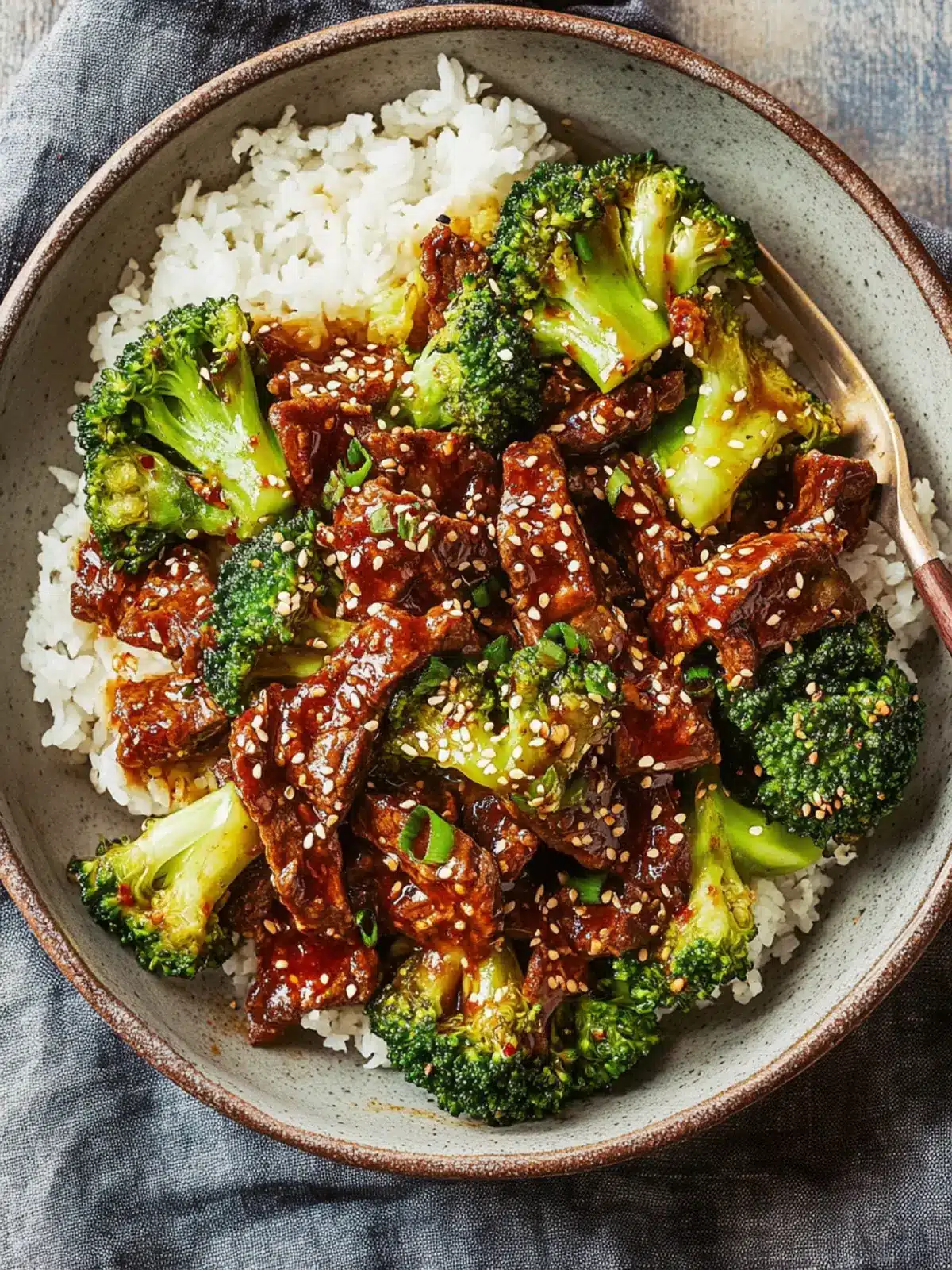
Gochujang Beef and Broccoli Variations
Feel free to put your own spin on this dish with these delightful adaptations that will excite your taste buds!
-
Dairy-Free: Replace any toppings like avocado or creamy sauces with thinly sliced cucumbers or fresh herbs for a refreshing crunch.
-
Spicy Kick: Add sliced jalapeños or a splash of hot sauce to the beef mixture while cooking for those heat lovers in your family.
-
Vegan: Swap the ground beef for crumbled tofu or tempeh, and use soy sauce instead of fish sauce for a savory and plant-based delight.
-
Bowl Upgrade: Use a base of brown rice or quinoa instead of white rice for an extra boost of fiber and nutrients that keep you full longer.
-
Herb Infusion: Stir in fresh cilantro or basil into the sauce at the end for a fragrant aroma that adds depth to your bowl.
-
Nutty Flavor: Sprinkle some crushed peanuts or cashews on top before serving, giving your dish a satisfying crunch and rich flavor contrast.
-
Seasonal Vegetables: Embrace the season by substituting broccoli with seasonal veggies like asparagus or zucchini, adding a different texture and taste to your meal.
-
Sweet Twist: Drizzle some honey or maple syrup into the sauce mixture for a hint of sweetness that beautifully balances the spicy elements.
Customize away and enjoy the journey of flavors in your Gochujang Beef and Broccoli Bowl!
What to Serve with Gochujang Beef and Broccoli Bowl?
Imagine a vibrant table filled with dishes that elevate the warmth of your spicy Gochujang Beef and Broccoli Bowl, inviting everyone to gather and enjoy.
-
Steamed Jasmine Rice: The light, fragrant rice provides a perfect neutral base, soaking up the delicious sauce without overpowering the flavors.
-
Crispy Spring Rolls: These crunchy bites offer delightful texture contrasts, filled with fresh veggies and served with a sweet dipping sauce, enhancing the meal’s Asian flair.
-
Sesame Cucumber Salad: A refreshing side that balances the heat of the bowl, this salad adds a crisp element and a touch of tanginess, making it a delightful palate cleanser.
-
Kimchi: This fermented side dish brings a bold kick, rich in probiotics, complementing the savory notes of the beef and adding an authentic Korean touch.
-
Spicy Pickled Radishes: Their crunchy texture and sour heat provide a zing that brightens each bite of the bowl, enhancing the overall dining experience.
-
Miso Soup: A warm, umami-rich soup can be a comforting addition, setting the stage for a satisfying meal that warms you from within.
-
Chilled Sake or Green Tea: To quench your thirst, consider pairing this meal with chilled sake for a traditional touch or refreshing green tea for a soothing complement.
-
Mochi Ice Cream: For dessert, this sweet treat rounds out the meal perfectly. Its chewy texture and creamy filling offer a delightful finish after the savory main course.
How to Store and Freeze Gochujang Beef and Broccoli
-
Fridge: Store leftovers in an airtight container in the refrigerator for up to 3 days. This helps maintain the flavors and textures of the Gochujang Beef and Broccoli.
-
Freezer: For longer storage, you can freeze the beef mixture (without the rice) for up to 2 months. Place it in a freezer-safe container, ensuring it’s sealed tightly.
-
Reheating: To reheat, thaw overnight in the fridge, then warm on the stovetop or microwave until heated through. Add a splash of water to retain moisture if needed.
-
Rice Storage: Cooked rice can be stored separately in the fridge for up to 5 days. For freezing, spread it on a baking sheet to cool, then transfer to a freezer bag for up to 1 month.
Make Ahead Options
These Gochujang Beef and Broccoli Bowls are perfect for meal prep enthusiasts! You can prepare the beef mixture and sauce up to 3 days in advance; simply cool it down and store it in an airtight container in the refrigerator. The rice can also be cooked ahead and stored separately for up to 3 days. To keep the broccoli fresh and vibrant, roast it right before serving, as it tastes best when hot and crispy. When you’re ready to enjoy, reheat the beef and rice in a skillet or microwave, then serve with the freshly roasted broccoli for a quick and satisfying meal that’s just as delicious as the first time!
Expert Tips for Gochujang Beef and Broccoli
-
Taste as You Go: Cooking is an art, so be sure to taste and adjust seasonings while making your Gochujang Beef and Broccoli. It’s all about personal preference!
-
Control the Heat: If you’re sensitive to spice, start with a smaller amount of gochujang and gochugaru, then gradually add more to your liking.
-
Perfect Your Rice: Rinse the rice before cooking to prevent stickiness. This ensures a fluffy, perfect base for your bowl.
-
Broccoli Perfection: When roasting the broccoli, make sure it’s spread out evenly on the baking sheet to achieve that delightful crispy edge.
-
Substitute Ingredients: Don’t hesitate to switch proteins or veggies. Ground turkey or even tofu works great in this recipe, making it adaptable for all dietary needs!
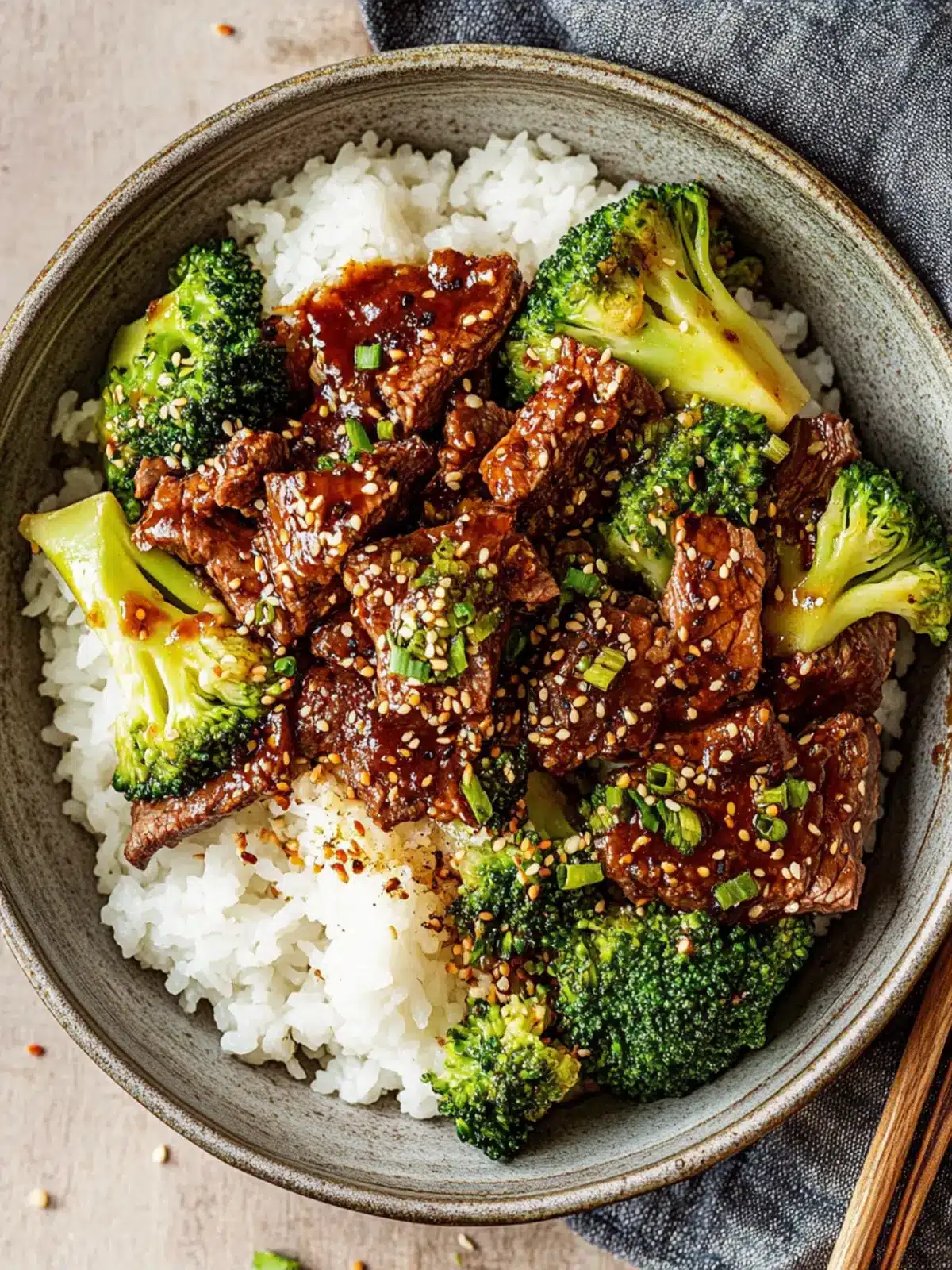
Gochujang Beef and Broccoli Recipe FAQs
What type of beef is best for this recipe?
For the Gochujang Beef and Broccoli Bowl, I recommend using ground beef with a fat ratio of 90/10 as it strikes a perfect balance between flavor and texture. If you’re looking for a leaner option, ground turkey or chicken will work beautifully while still providing the protein you need for a satisfying meal.
How should I store leftovers?
Absolutely! Store any leftovers in an airtight container in the refrigerator for up to 3 days. This keeps the flavors fresh and delicious. When you’re ready to enjoy it again, simply reheat in the microwave or on the stovetop until warmed through.
Can I freeze the Gochujang Beef and Broccoli?
Yes! You can freeze the beef mixture (without rice) for up to 2 months. To freeze, place it in a well-sealed freezer-safe container. When it’s time to eat, thaw it overnight in the fridge, then reheat on the stovetop, adding a splash of water to ensure it doesn’t dry out.
What if my broccoli is overcooked or mushy?
No worries! If your broccoli turns out mushy, it can happen if it’s cooked for too long or at too high a temperature. Always roast broccoli until it’s just tender with crispy edges, typically around 15-20 minutes at 425°F. If you find yourself in a pinch, slightly undercooked broccoli can always be sautéed briefly in the beef mixture at the end.
Are there any dietary concerns with this dish?
It’s an excellent question! This dish can be easily tailored for various dietary needs. You can switch the ground beef with tofu for a vegetarian option, and using gluten-free tamari for the soy sauce accommodates gluten-free diets. Always check ingredients like gochujang for allergens or additives if cooking for someone with specific dietary restrictions.
How can I adjust the spice level?
Very! To control the spice level, start with a smaller amount of gochujang and gochugaru. Taste as you go along and add more if you desire. You could also omit or reduce the gochugaru that you sprinkle on the broccoli before roasting for a milder finish!
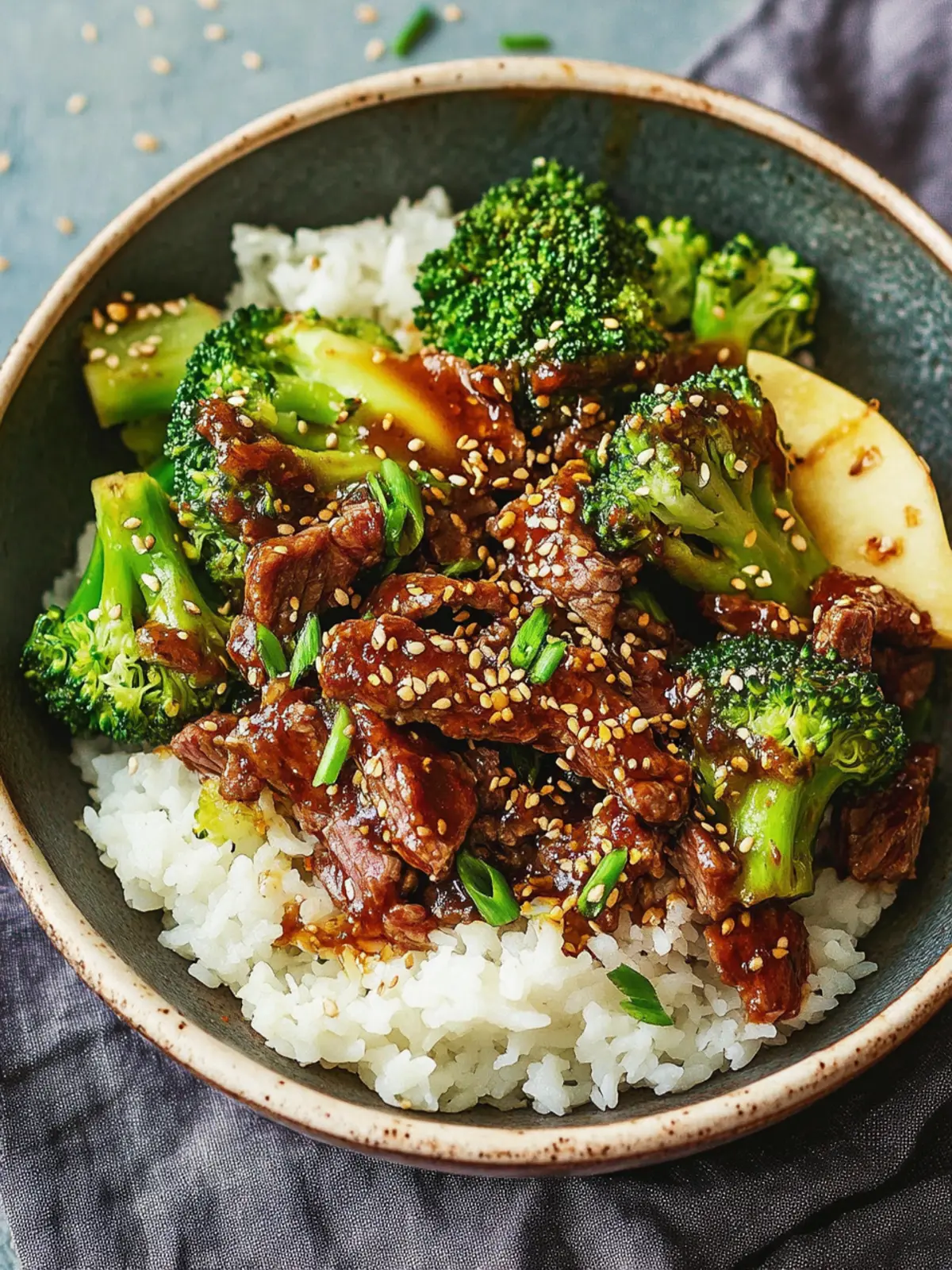
Savory Gochujang Beef and Broccoli Bowl for Quick Dinners
Ingredients
Equipment
Method
- Heat 1 tablespoon of neutral oil in a skillet over medium heat. Add the ground beef, breaking it apart as it cooks. Brown the beef for about 10 minutes, then add chopped onions and cook until softened (about 5-6 minutes). Season with salt for flavor.
- Stir in low-sodium soy sauce, rice vinegar, brown sugar, gochujang, gochugaru, minced ginger, sesame oil, and ¼ cup of water. Bring the mixture to a boil, then reduce the heat and simmer for 15-20 minutes, adjusting water and seasonings to suit your taste.
- In a separate pot, combine white rice, 2 cups of water, and a pat of butter. Bring to a boil, stir, cover, and let it simmer for 15 minutes. Afterward, remove from heat and let it stand covered for 10 minutes.
- On a baking sheet, arrange the broccoli florets in a single layer. Drizzle with oil, sprinkle with gochugaru, and season with salt. Roast in a preheated oven at 425°F for 15-20 minutes until the edges turn slightly browned and crispy.
- In bowls, layer the cooked rice, the savory beef mixture, and the roasted broccoli. Add optional garnishes like sliced cucumber, creamy avocado, or sesame seeds for extra flavor and texture.