As the sun dipped below the horizon, casting a warm glow over my kitchen, the enticing aroma of garlic and sautéed broccoli filled the air. This nostalgic scent often reminds me of family dinners where laughter and love filled every corner. Today, I’m excited to share my Broccoli Cheese Pasta Recipe—a creamy, cheesy delight that whisks you back to those comforting moments, all while being incredibly quick to prepare. Ready in under 30 minutes, it’s the perfect solution for busy weeknights when you crave something hearty but simple.
What sets this dish apart is its unmatched versatility. Whether you’re a devoted vegetarian or looking for options to sneak in some protein, this recipe adapts beautifully to your dietary needs. With a rich cheese sauce wrapping around tender broccoli florets, every bite is an indulgence that satisfies your comfort food cravings without sacrificing nutrition. So let’s get cooking and transform your dinner routine with this delightful pasta!
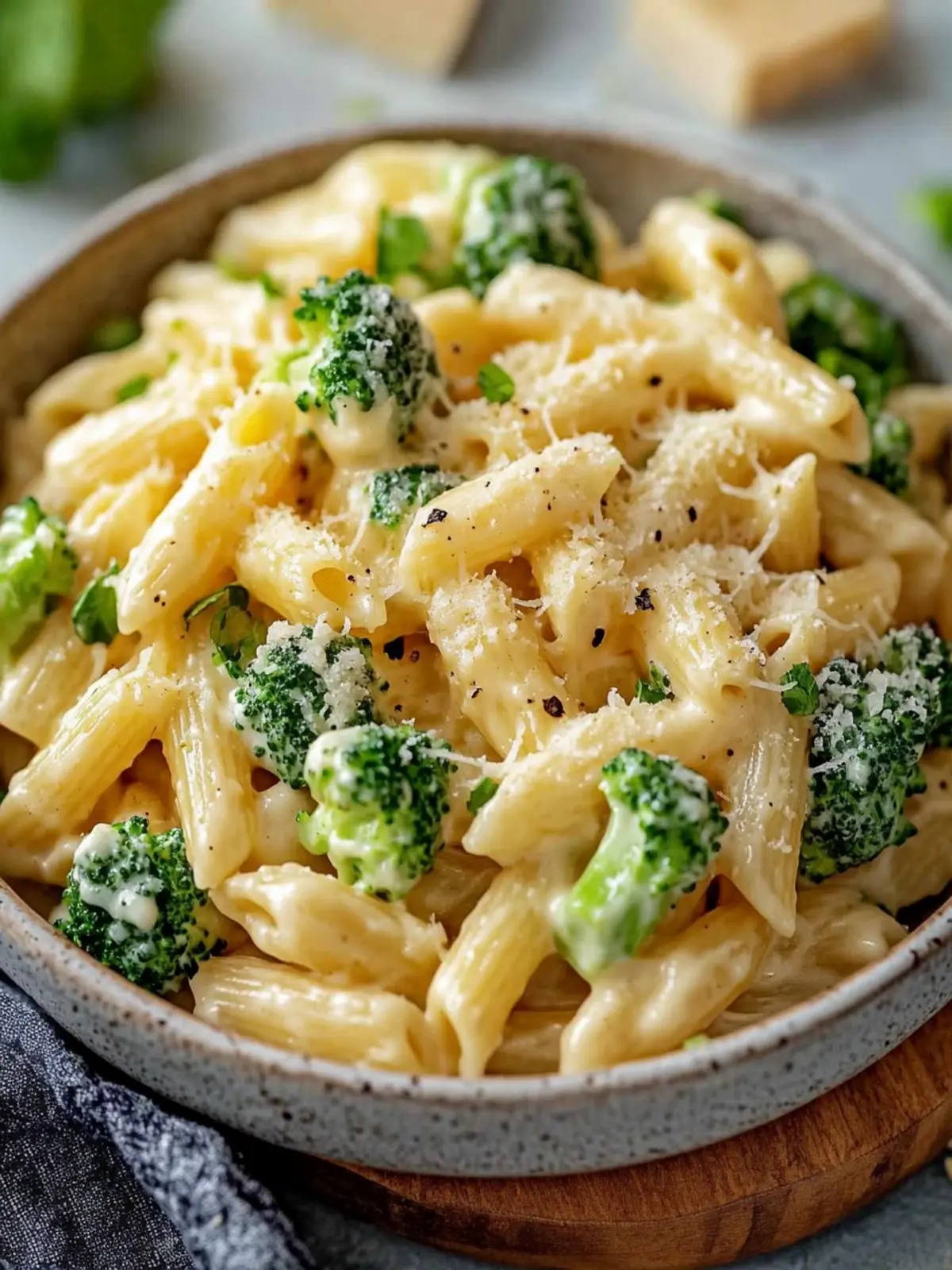
Why is this Broccoli Cheese Pasta Recipe a Must-Try?
Creamy goodness: This easy pasta dish is enveloped in a rich cheese sauce that brings comfort in every bite.
Quick preparation: Whip it up in under 30 minutes, perfect for busy weeknights when you need deliciousness fast.
Versatile options: Customize the pasta type and cheese to suit your cravings or dietary needs; it truly adapts to you.
Fresh flavors: Tender broccoli adds a delightful crunch, balancing the creaminess with a pop of vibrant color.
Family-friendly: Even the pickiest eaters will love this dish; it’s a surefire hit at the dinner table!
Broccoli Cheese Pasta Ingredients
For the Pasta
• Pasta – 12 oz. (penne, rotini, or fettuccine) – Short pasta types hold the cheese sauce better for this delightful Broccoli Cheese Pasta recipe.
• Water – 4 cups – Essential for cooking pasta; remember to salt it for added flavor.
• Salt – 1 teaspoon – Enhances the overall flavor of the dish; adjust as needed while cooking.
For the Broccoli
• Broccoli florets – 2 cups – Adds nutrition and crunch; ensure they remain slightly crisp for the best texture.
• Olive oil – 1 teaspoon – Used for sautéing broccoli, enhancing its flavor; can be substituted with butter.
• Garlic – 1 clove (minced) – Adds aroma and depth of flavor; feel free to adjust for a stronger taste.
For the Cheese Sauce
• Butter – 2 tablespoons – Forms the base for the cheese sauce; substitute with margarine for dairy-free options.
• All-purpose flour – 2 tablespoons – Creates a roux for thickening the cheese sauce; use cornstarch for gluten-free.
• Milk – 2 cups – Forms the creamy base; swap for almond milk or coconut milk for a dairy-free twist.
• Shredded cheddar cheese – 1 cup – Primary flavor source for the sauce; freshly grated cheese melts better, but feel free to experiment with Gouda or Gruyère.
• Mustard powder – 1/2 teaspoon – Adds tanginess to the cheese sauce; omit if you prefer a milder flavor.
• Black pepper – 1/4 teaspoon – Offers heat and depth; adjust according to your spice preference.
• Paprika – 1/4 teaspoon – Adds color and mild flavor; swap with cayenne for extra heat if desired.
How to Make Broccoli Cheese Pasta
-
Boil Water: In a large pot, bring 4 cups of salted water to a boil. Once boiling, add 12 oz. of your chosen pasta and cook until al dente, as per the package instructions. Reserve 1/2 cup of the pasta water before draining.
-
Sauté Broccoli: In a sauté pan, heat 1 teaspoon of olive oil over medium heat. Add 1 minced garlic clove and sauté for about 30 seconds until fragrant. Toss in 2 cups of broccoli florets, season with salt, and cook until they are slightly tender.
-
Make the Roux: In a separate saucepan, melt 2 tablespoons of butter over medium heat. Whisk in 2 tablespoons of all-purpose flour to create a roux, cooking for about 1 minute until it’s bubbly and slightly golden.
-
Create Sauce: Gradually whisk in 2 cups of milk. Keep cooking and stirring until the sauce thickens to a creamy consistency. Then mix in 1/2 teaspoon of mustard powder, 1/4 teaspoon of black pepper, and 1/4 teaspoon of paprika for flavor.
-
Add Cheese: Lower the heat and add in 1 cup of shredded cheddar cheese, stirring until it melts smoothly and creates a rich sauce.
-
Combine Pasta: Add the drained pasta to the cheese sauce, along with the sautéed broccoli. Toss gently to coat everything evenly, adding reserved pasta water as needed to achieve your desired sauce consistency.
-
Serve: Enjoy your Broccoli Cheese Pasta warm, garnished with extra cheese, red pepper flakes, or toasted breadcrumbs for that perfect touch!
Optional: Top with freshly cracked pepper for an extra burst of flavor.
Exact quantities are listed in the recipe card below.
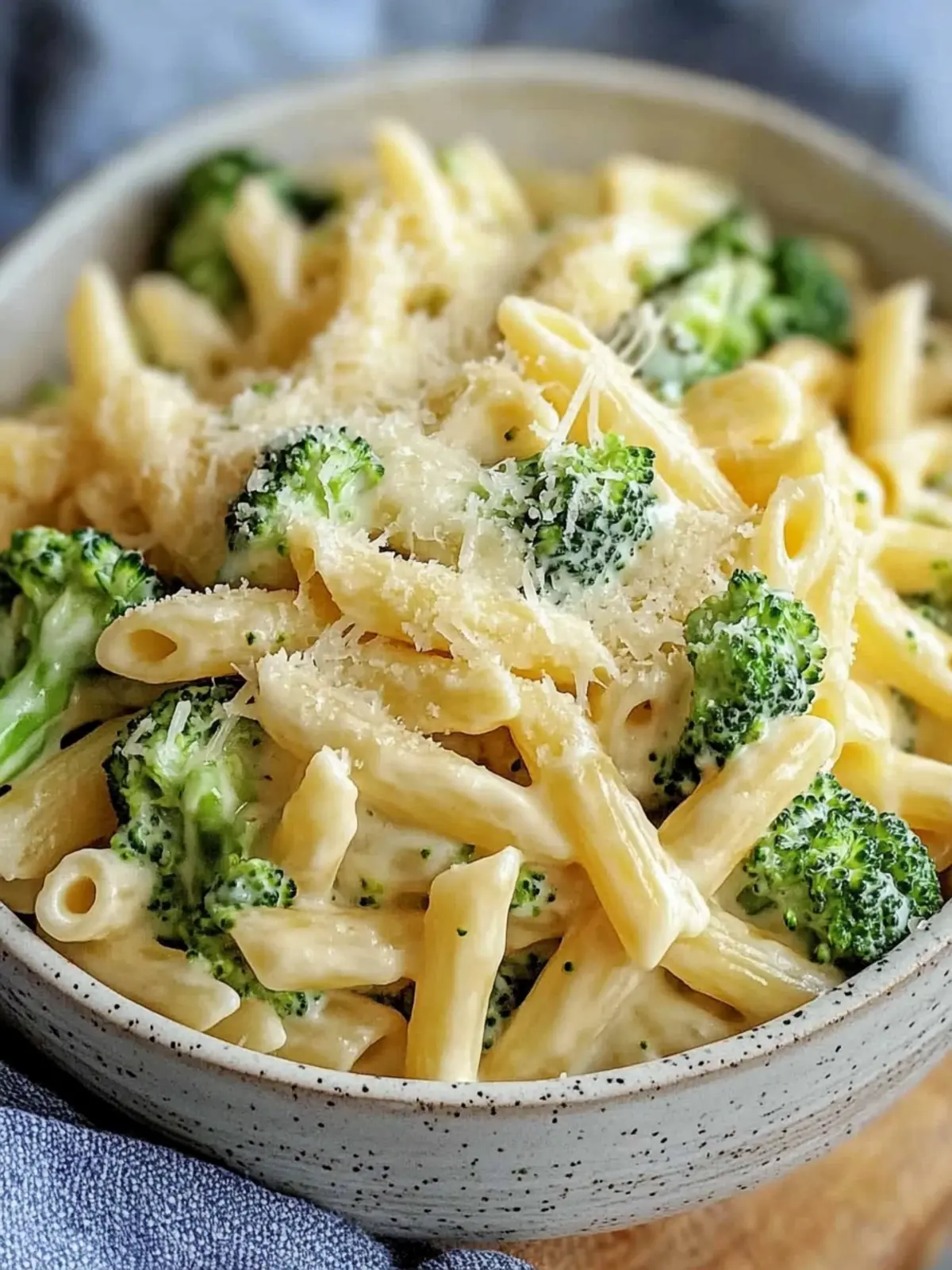
Broccoli Cheese Pasta Variations
Customize this delightful dish with various twists to suit your palate and dietary needs.
-
Low-Carb Noodles: Swap traditional pasta for zucchini noodles or cauliflower pasta to lighten up the dish.
-
Protein Boost: Add grilled chicken, shrimp, or crispy bacon for a heartier meal that will keep you satisfied.
-
Cheese Exploration: Experiment with different cheeses like mozzarella, Parmesan, or a smoky Gouda to give it a unique flavor profile.
-
Spice It Up: Incorporate crushed red pepper flakes or cayenne pepper to kick things up a notch if you crave some heat.
-
Veggie Power: Mix in additional vegetables like spinach, bell peppers, or peas for extra nutrition and color in every bite.
-
Dairy-Free Delight: Use almond milk and dairy-free cheese alternatives for a delicious option that still preserves creaminess without the dairy.
-
Nutrient-Rich: Toss in some cooked quinoa or lentils for a protein boost, making the dish even more filling and satisfying.
-
Herb Infusion: Enhance flavor with fresh herbs like basil or thyme, mixing them in during the final toss for a burst of freshness.
What to Serve with Broccoli Cheese Pasta?
Imagine the delightful combination of textures and flavors as you create the perfect meal around your creamy pasta dish.
-
Garlic Bread: The buttery, garlicky goodness pairs perfectly, making each bite of pasta even more satisfying.
-
Caesar Salad: Crisp romaine and zesty dressing cut through the creaminess, adding a refreshing crunch to your meal.
-
Steamed Asparagus: Offering a tender yet crunchy bite, asparagus adds elegance to your plate, complementing the broccoli in the pasta.
-
Grilled Chicken: Juicy, seasoned chicken can boost your protein intake while enhancing the dish’s flavor profile.
-
Roasted Cherry Tomatoes: Their burst of sweetness contrasts beautifully with the rich cheese sauce, adding a pop of color and flavor.
-
Lemonade: A tall glass of chilled lemonade brings a tangy brightness that balances the creamy richness of the Broccoli Cheese Pasta, making for a refreshing sip.
-
Chocolate Lava Cake: For dessert, this warm, gooey treat rounds out the meal with a sweet finish that will have everyone asking for seconds.
Pair these additions for a comforting, well-rounded table that everyone can enjoy!
How to Store and Freeze Broccoli Cheese Pasta
Fridge: Store leftovers in an airtight container for up to 3 days. Make sure to let it cool completely before sealing to maintain freshness.
Freezer: Freeze portions in airtight containers for up to 2 months. Be sure to label them with the date for easy tracking!
Reheating: To reheat, let it thaw in the fridge overnight, then warm on the stovetop, adding a splash of milk to revive the creamy texture.
Leftover Tips: Enjoy servings cold, as a pasta salad, or elevated with fresh herbs for a delightful twist on your Broccoli Cheese Pasta!
Expert Tips for Broccoli Cheese Pasta
• Fresh Cheese Matters: Use freshly grated cheese for a smoother melt; pre-shredded options contain agents that prevent it from melting properly.
• Broccoli Don’t Overcook: Avoid overcooking broccoli; you want it to remain slightly crisp for that perfect texture and vibrant color.
• Perfect Sauce Consistency: Reserve some pasta water to adjust the sauce thickness. Start with a little, as a little goes a long way in this Broccoli Cheese Pasta recipe.
• Choose Your Pasta Wisely: Short pasta types like penne or rotini are ideal, as they hold the cheese sauce better, making every bite a creamy delight.
• Season as You Go: Taste and adjust the seasoning during cooking—don’t hesitate to add more salt, pepper, or even a pinch of chili flakes for a kick!
Make Ahead Options
These Broccoli Cheese Pasta portions are perfect for busy weeknights or meal prep enthusiasts! You can cook the pasta and sauté the broccoli up to 24 hours in advance, storing them separately in airtight containers in the refrigerator to maintain their textures. The cheese sauce can also be prepared ahead of time and kept in the fridge for up to 3 days; just remember to reheat it gently on low heat, adding a splash of milk if it thickens. When it’s time to serve, combine the pasta and broccoli with the warmed cheese sauce, stirring to ensure an even coat. You’ll enjoy a comforting, flavorful dish that feels just as fresh as when you made it!
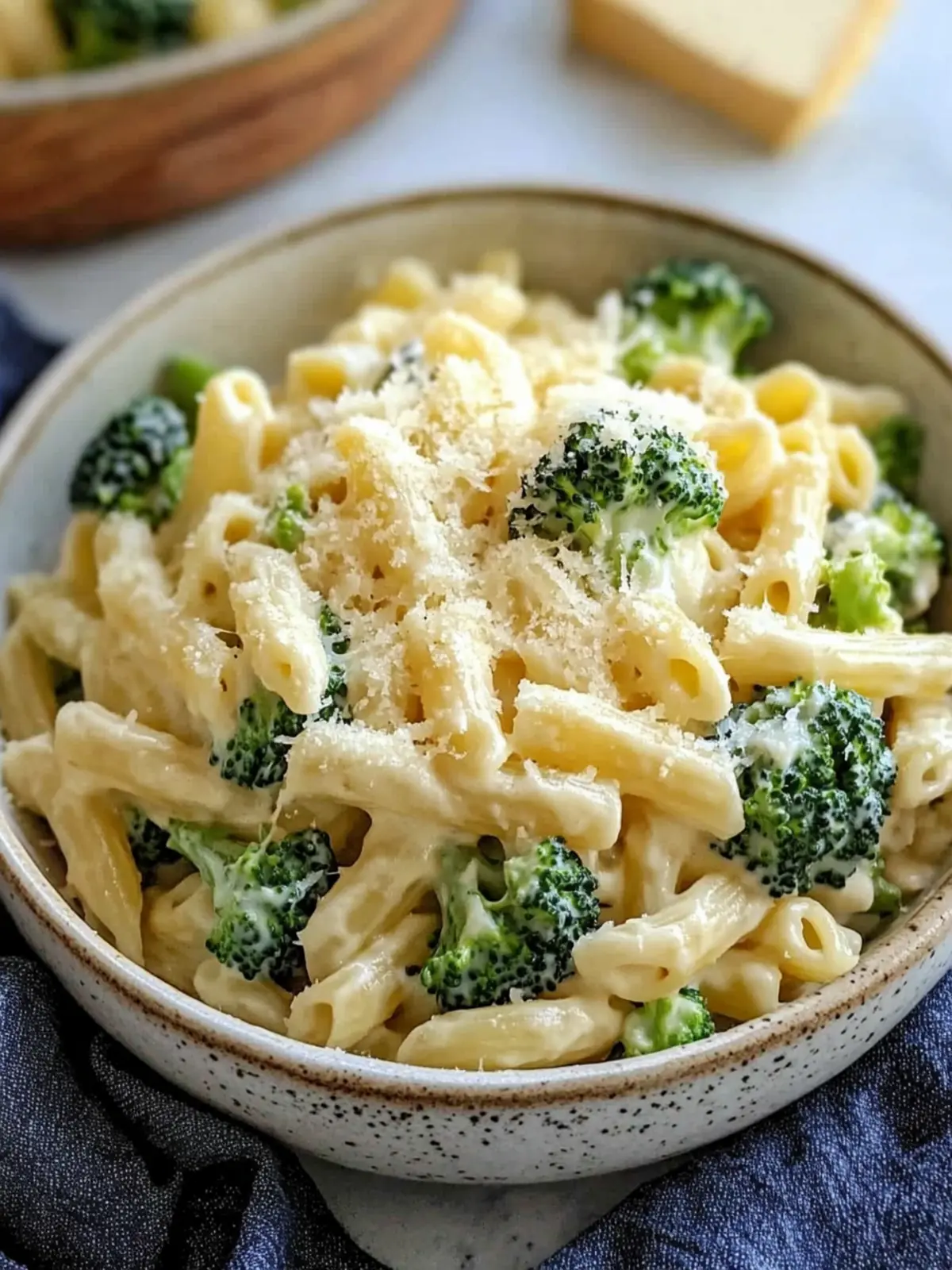
Broccoli Cheese Pasta Recipe FAQs
What type of broccoli should I use for this recipe?
Absolutely! When selecting broccoli, look for firm florets that are a vibrant green color. Avoid any heads with dark spots or yellowing, as these indicate age. Fresh, slightly crisp broccoli not only tastes better but also maintains its texture in the final dish.
How should I store my leftover Broccoli Cheese Pasta?
Store any leftovers in an airtight container in the refrigerator for up to 3 days. It’s best to let the pasta cool completely before sealing it to help prevent condensation, which can lead to sogginess. When you’re ready to reheat, a splash of milk will help revive the creamy texture as you warm it on the stovetop.
Can I freeze Broccoli Cheese Pasta?
Certainly! To freeze your pasta, place individual portions in airtight containers, ensuring they’re well-sealed to prevent freezer burn. You can freeze it for up to 2 months. When you’re ready to enjoy it again, move it to the refrigerator to thaw overnight, then reheat gently on the stove with a little milk to restore that creamy consistency.
What should I do if my cheese sauce turns out too thick?
The more the merrier! If your cheese sauce thickens more than you’d like, just add small amounts of the reserved pasta water, stirring well until you reach your desired consistency. This method is great because it not only helps to thin the sauce but also adds some of that lovely starchy flavor from the pasta.
Can I make this recipe gluten-free?
Very much so! To make a gluten-free version of the Broccoli Cheese Pasta, simply substitute the all-purpose flour with cornstarch or a gluten-free flour blend when making the roux. Also, ensure you use gluten-free pasta. With these adjustments, you can enjoy this comforting dish without any worries about gluten!
Is this recipe suitable for vegetarians or those with allergies?
Definitely! This Broccoli Cheese Pasta recipe is vegetarian-friendly, packed with cheese and fresh veggies. If you have any dairy allergies, you can use plant-based alternatives for butter, milk, and cheese. Almond milk, coconut milk, and dairy-free cheese options work wonderfully as substitutes, allowing everyone to join in the creamy goodness!
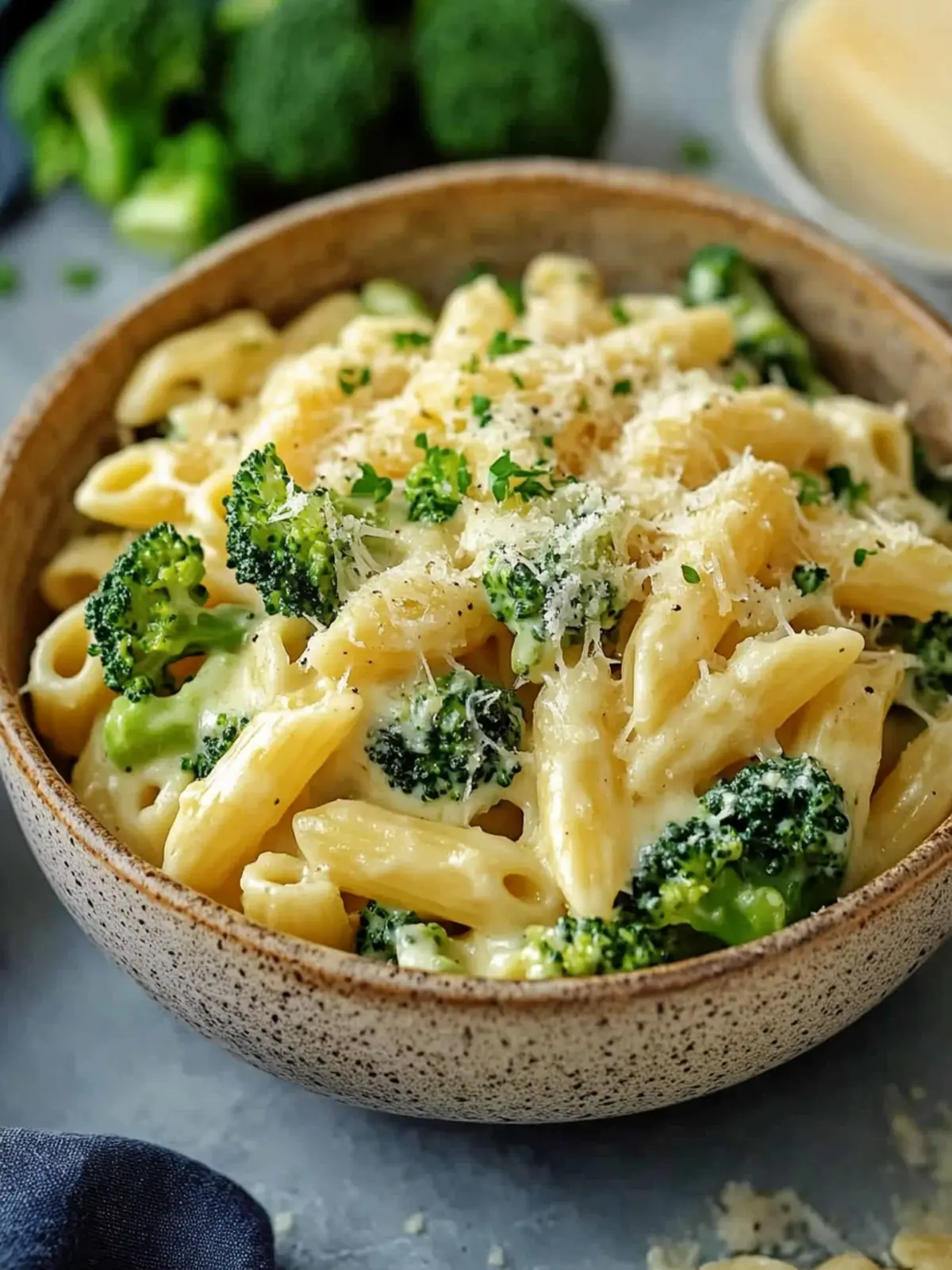
Creamy Broccoli Cheese Pasta Recipe for Comfort Food Lovers
Ingredients
Equipment
Method
- In a large pot, bring 4 cups of salted water to a boil. Add 12 oz. of pasta and cook until al dente. Reserve 1/2 cup of pasta water before draining.
- In a sauté pan, heat 1 teaspoon of olive oil over medium heat. Add 1 minced garlic clove and sauté for 30 seconds until fragrant. Add 2 cups of broccoli florets, season with salt, and cook until slightly tender.
- In a separate saucepan, melt 2 tablespoons of butter over medium heat. Whisk in 2 tablespoons of all-purpose flour to create a roux, cooking for about 1 minute.
- Gradually whisk in 2 cups of milk, cooking and stirring until the sauce thickens. Add 1/2 teaspoon of mustard powder, 1/4 teaspoon of black pepper, and 1/4 teaspoon of paprika.
- Lower the heat and stir in 1 cup of shredded cheddar cheese until smooth.
- Add the drained pasta to the cheese sauce, along with the sautéed broccoli. Toss gently, adding reserved pasta water as needed.
- Serve warm, garnished with extra cheese, red pepper flakes, or toasted breadcrumbs.