
There’s nothing like the cozy embrace of a warm bowl of noodles to lift your spirits, especially when they’re infused with the bold and savory flavors of Korean Beef Noodles. On a chilly evening, when comfort food is calling, I turn to this slow-cooked gem that simmers to perfection, creating tender chunks of beef coated in a rich, flavorful broth. The moment the aroma of ginger and garlic wafts through my kitchen, it’s like a warm hug from home.
Whether it’s a casual family dinner or a special gathering with friends, this dish never fails to satisfy. Each bite is a delightful mix of textures and tastes, with perfectly cooked noodles that soak up the captivating sauce. It’s an invitation to slow down and savor each mouthful, reminding us of the joy of homemade food over fast fare. Ready to enjoy a hearty bowl that promises to be the star of your dinner table? Let’s dive into this scrumptious recipe!
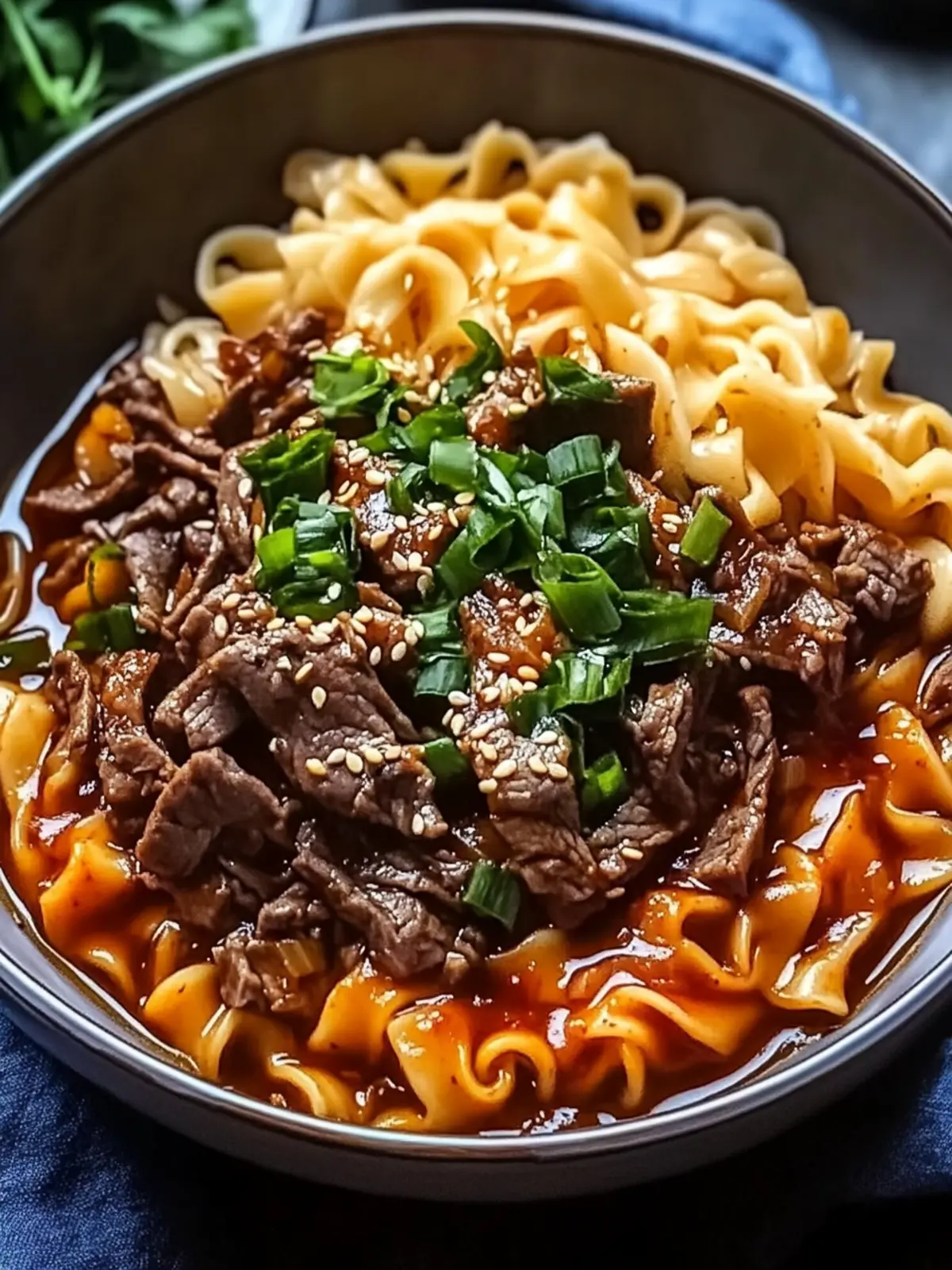
Why are Korean Beef Noodles so satisfying?
Comforting, there’s nothing like a bowl of hearty noodles to warm you up on chilly nights. Savory flavor from the slow-cooked beef makes every bite melt in your mouth. Easy to prepare, this recipe requires minimal effort, allowing you more time to relax or engage with family. Versatile enough to adapt, sprinkle in your favorite veggies or substitute proteins like chicken or tofu. Finally, it’s an impressive crowd-pleaser that turns any meal into a delightful feast. If you’re looking for more deliciousness, check out our guide on whipping up a quick side dish.
Korean Beef Noodles Ingredients
For the Beef
- Beef chuck – Provides the main protein content and rich flavor. Substitute with brisket for a different texture.
- Beef broth – Adds depth and umami. You can use low-sodium broth for less salt.
- Water – Prevents the dish from being too salty. No substitutes needed.
For the Sauce
- Soy sauce – Brings saltiness and umami flavor. Use tamari for a gluten-free option.
- Brown sugar – Provides sweetness and balances the saltiness of the soy sauce. Substitute with honey or maple syrup.
- Ginger, minced – Adds aromatic warmth. Fresh ginger is preferred for a stronger flavor; powdered ginger can be used in a pinch.
- Garlic, minced – Enhances the dish’s overall flavor. Fresh garlic is best; however, garlic powder can be used if necessary.
- Sesame oil – Infuses a nutty flavor. Use canola or olive oil for a different taste.
- Black pepper – Adds mild spice. White pepper can be an alternative.
- Gochujang (Korean chili paste) – Provides spice and enhances flavor complexity. Substitute with sriracha for a different heat level.
For the Noodles
- Fresh/dried noodles (udon or ramen) – The base of the dish. Swap with any preferred noodle type such as rice noodles or spaghetti.
- Green onions – For garnish, adds freshness. Chives can be used as a substitute.
- Sesame seeds – Optional topping for texture and nuttiness.
- Fresh cilantro – Optional garnish, offering a fresh herbal note. Parsley can be a substitute.
How to Make Korean Beef Noodles
-
Prepare the Beef: Season the beef chuck with black pepper to enhance its flavor. This step will set the foundation for the rich taste that follows.
-
Mix the Sauce: In a bowl, combine the beef broth, soy sauce, brown sugar, minced ginger, minced garlic, sesame oil, and gochujang. Stir until the sugar has completely dissolved for a well-balanced flavor.
-
Place in Slow Cooker: Add the seasoned beef into the slow cooker, then pour the sauce mixture over the top. Ensure the beef is well-coated for optimal flavor infusion.
-
Cook: Cover the slow cooker and set it to low for 6-8 hours or high for 3-4 hours. You’re looking for the beef to become tender and easily shredded.
-
Prepare Noodles: About 15-20 minutes before serving, cook the noodles according to package instructions. This ensures they’re perfectly tender when combined with the beef.
-
Combine: Gently add the cooked noodles into the slow cooker with the beef and sauce. Stir carefully to avoid breaking the noodles while mixing everything together.
-
Serve: Ladle the Korean Beef Noodles into bowls, garnished with sliced green onions, sesame seeds, and fresh cilantro if desired for an extra pop of color and flavor.
Optional: Serve with a side of kimchi for an authentic experience.
Exact quantities are listed in the recipe card below.
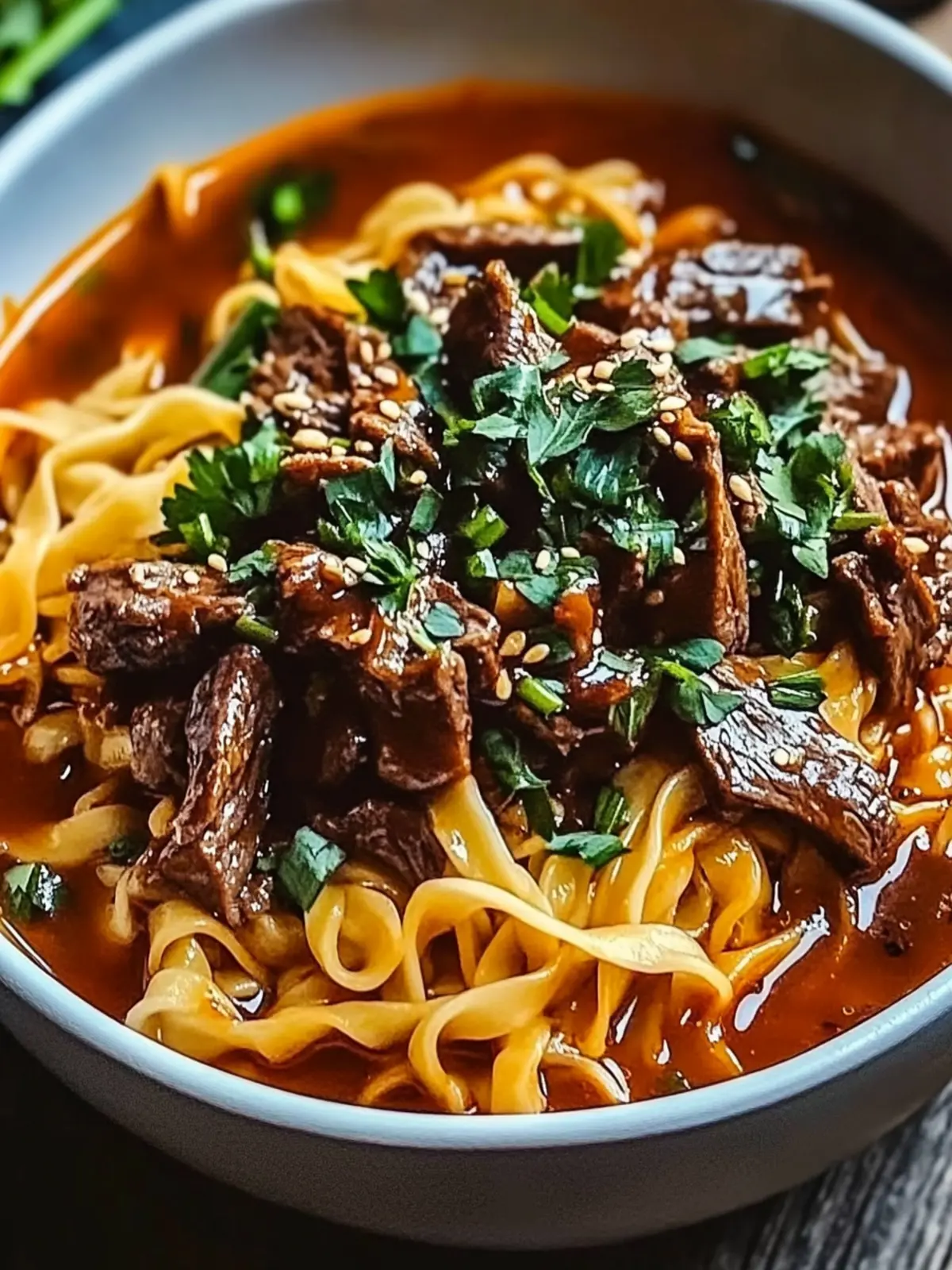
Expert Tips for Korean Beef Noodles
-
Choose Quality Beef: Select well-marbled beef chuck for maximum tenderness and flavor. Avoid lean cuts, as they may result in dry meat after slow cooking.
-
Balance the Sauce: Taste your sauce before cooking; adjust the soy sauce and sugar to achieve the perfect sweet-savory balance, enhancing your Korean Beef Noodles’ final flavor.
-
Cook Noodles Perfectly: To prevent mushy noodles, cook them separately and add them at the end. This keeps their texture intact and enhances your dish’s overall appeal.
-
Add Fresh Veggies: For extra nutrition and color, include quick-cooking vegetables like spinach or bok choy about 10 minutes before serving, stirring them into the slow cooker with the noodles.
-
Slow Cooker Tips: For richer flavor, sear the beef chunks in a pan before adding them to the slow cooker. This step creates a deeper savoriness in your Korean Beef Noodles.
-
Save Leftovers Wisely: Store any leftovers in an airtight container in the fridge for up to 3 days. Reheat gently, adding a splash of water to maintain texture.
Korean Beef Noodles Customizations
Feel free to explore these delightful twists and substitutions to make the recipe your own!
- Chicken Substitute: Replace beef with chicken thighs for a lighter flavor and tender texture.
- Tofu Swap: For a vegetarian option, firm tofu can take the place of beef. Make sure to press it to remove excess moisture.
- Veggie Boost: Add vegetables like bell peppers, carrots, or snap peas to cook along with the beef for added nutrition and color.
- Spicy Kick: For an extra heat level, increase the gochujang or add sliced jalapeños during the last half of cooking.
- Noodle Variety: Swap the udon or ramen for gluten-free rice noodles or even zoodles (zucchini noodles) for a low-carb option.
- Broth Flavor: Enhance depth by using homemade broth or swapping in some white wine for a touch of acidity.
- Herb Garnish: Don’t just stick to cilantro; fresh mint or Thai basil can add a unique twist to the garnishing.
- Lemon Zest: Finish with a sprinkle of lemon zest just before serving to brighten up the rich flavors.
What to Serve with Korean Beef Noodles?
To create a meal that’s both comforting and fulfilling, consider these delightful pairings that add extra flavor and texture.
- Kimchi: This spicy fermented side adds a zesty crunch that perfectly contrasts the rich, savory noodles, enhancing the overall experience.
- Steamed Broccoli: Lightly steamed, crisp broccoli gives a fresh pop of color while contributing necessary nutrients to your hearty bowl. Perfectly balanced!
- Crispy Spring Rolls: Crispy on the outside and filled with veggies, these rolls provide a delightful crunch that complements the softness of the noodles.
- Sesame Cucumber Salad: A refreshing salad with a crunch from the cucumbers and a drizzle of sesame oil offers a cool offset to the warm noodles.
- Garlic Bread: The warm, buttery goodness of garlic bread is a lovely addition, allowing you to soak up every bit of the delicious sauce from your bowl.
- Green Tea: A soothing cup of green tea pairs beautifully, cleansing the palate between bites with its light flavor and subtle earthiness.
- Matcha Cheesecake: For a sweet finish, this creamy cheesecake adds a unique, delightful twist to your meal and balances the savory flavors of the noodles.
- Pickled Radishes: The tangy burst from pickled radishes adds a refreshing counterpoint, enhancing the overall flavor profile with every bite.
- Savory Chive Pancakes: These crispy pancakes bring a delightful texture and nutty flavor that mingles beautifully with the heartiness of the beef noodles.
How to Store and Freeze Korean Beef Noodles
- Fridge: Store any leftovers in an airtight container for up to 3 days. Ensure the noodles are well-mixed with the broth to maintain flavor and moisture.
- Freezer: Freeze the beef mixture separately from the noodles. It can be stored for up to 3 months. Reheat the beef on the stove before adding freshly cooked noodles for the best texture.
- Reheating: Gently reheat in the microwave or on the stovetop, adding a splash of water if needed to rehydrate the noodles and broth.
- Make-Ahead Tips: Prepare the beef mixture the night before and store in the fridge. Cook the noodles just before serving for a fresh meal experience.
Make Ahead Options
These Korean Beef Noodles are perfect for meal prep, allowing you to save time on busy weeknights! You can season the beef and mix the sauce up to 24 hours in advance—just be sure to refrigerate them separately to maintain quality. When you’re ready to enjoy, simply combine the beef and sauce in the slow cooker and cook as directed. You can also cook the noodles a day ahead and store them in an airtight container in the fridge. Just toss them in with the beef mixture for the last 15-20 minutes to heat through, ensuring your meal remains just as delicious and satisfying!
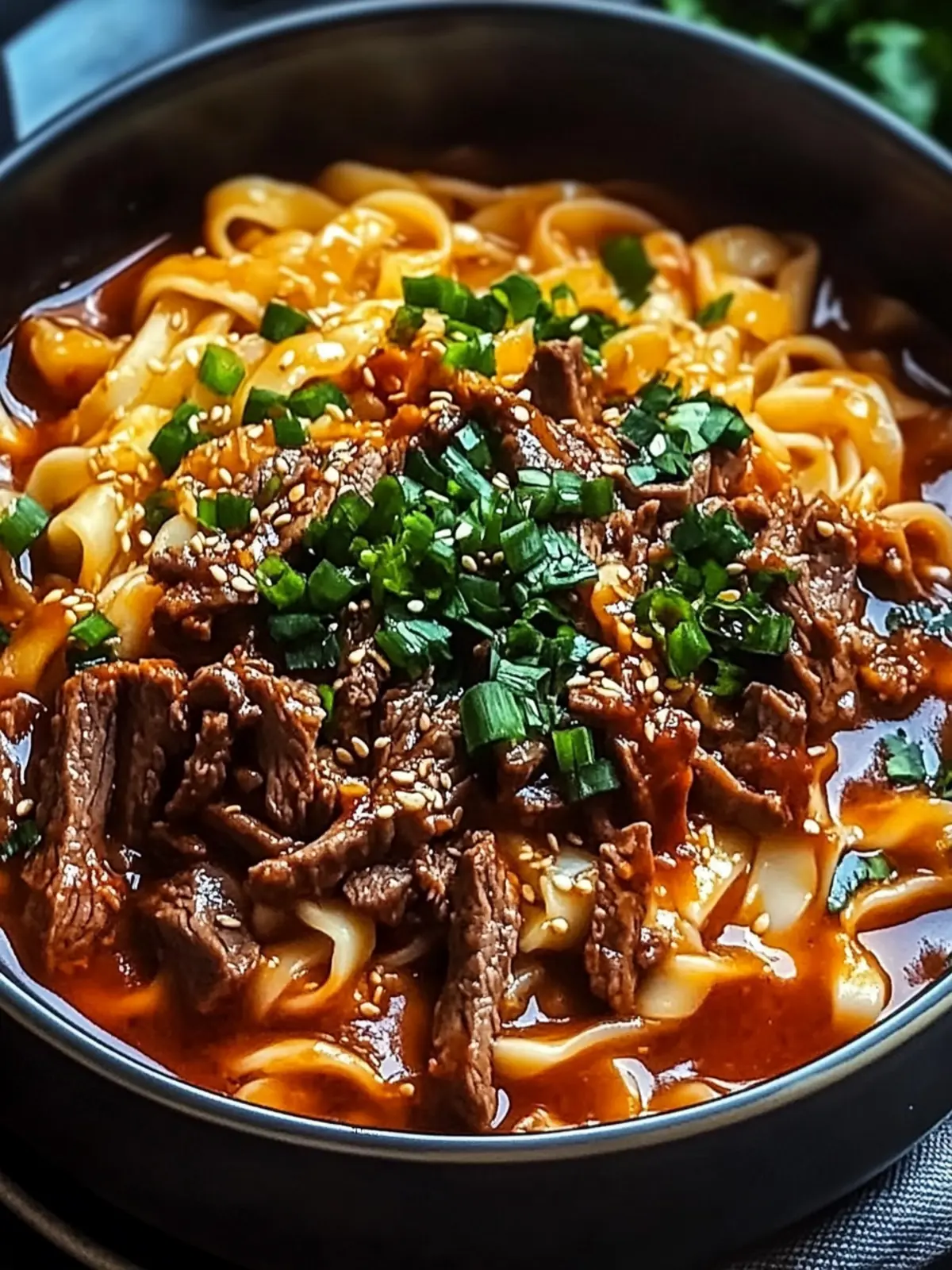
Korean Beef Noodles Recipe FAQs
What type of beef should I use for Korean Beef Noodles?
Absolutely! I recommend using beef chuck for the best flavor and tenderness. Look for well-marbled cuts to ensure juicy results. If you’re feeling adventurous, brisket is a great alternative for a different texture and taste.
How should I store leftovers of Korean Beef Noodles?
Very easy! Store leftovers in an airtight container in the fridge for up to 3 days. Ensure the noodles are well-mixed with the broth to keep them flavorful and moist. Just warm them up gently on the stove or in the microwave when you’re ready to indulge again!
Can I freeze Korean Beef Noodles?
Yes, you can! It’s best to freeze the beef and broth mixture separately from the noodles. This way, the noodles won’t get mushy. Store the beef mixture in a freezer-safe container for up to 3 months. When you’re ready to enjoy, thaw the beef and heat it gently, then mix in freshly cooked noodles.
What do I do if my beef isn’t tender after slow cooking?
Don’t worry! If the beef is still tough, it may need more time in the slow cooker. Check the size of your beef chunks; larger pieces may require a bit longer. If you’re short on time, you can shred the beef and simmer it in the sauce on the stove for an additional 20-30 minutes until tender.
Can I use gluten-free alternatives in this recipe?
Absolutely! To make this dish gluten-free, substitute regular soy sauce with tamari. Additionally, ensure you use gluten-free noodles, such as rice noodles or gluten-free pasta, to keep your Korean Beef Noodles delicious and safe for those with dietary restrictions.
Are there any allergy considerations I should be aware of?
Yes, keep an eye on ingredients! The recipe contains soy sauce, which can trigger allergies for some people. For those allergic to sesame, you can omit sesame oil and seeds without compromising the overall flavor. Always check labels for allergens in store-bought ingredients as well!
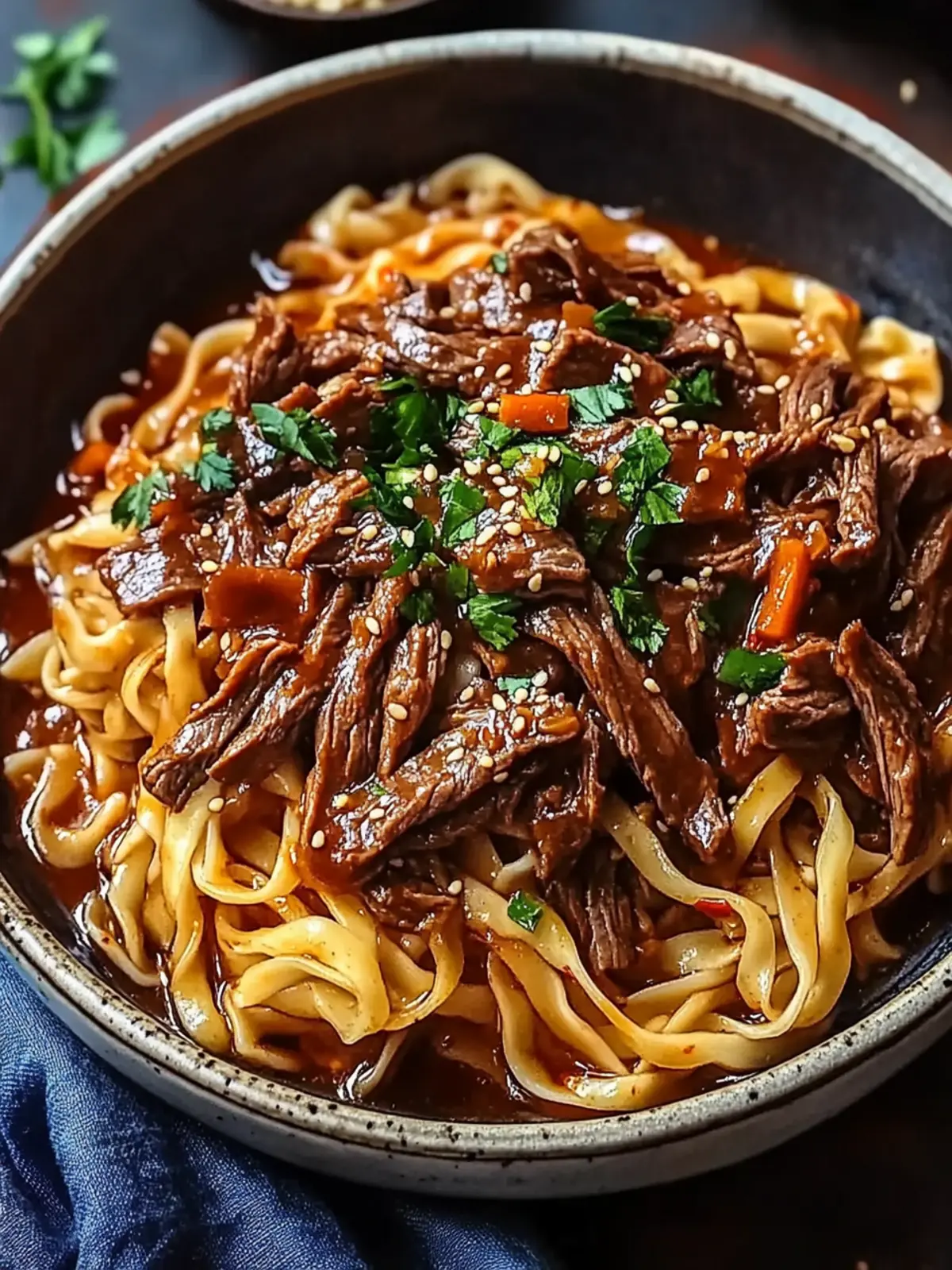
Savory Korean Beef Noodles: Comfort Food for Cozy Nights
Ingredients
Equipment
Method
- Season the beef chuck with black pepper to enhance its flavor.
- In a bowl, combine the beef broth, soy sauce, brown sugar, minced ginger, minced garlic, sesame oil, and gochujang. Stir until the sugar has completely dissolved.
- Add the seasoned beef into the slow cooker, then pour the sauce mixture over the top.
- Cover the slow cooker and set it to low for 6-8 hours or high for 3-4 hours.
- About 15-20 minutes before serving, cook the noodles according to package instructions.
- Gently add the cooked noodles into the slow cooker with the beef and sauce. Stir carefully.
- Ladle the Korean Beef Noodles into bowls, garnished with sliced green onions, sesame seeds, and fresh cilantro if desired.