
There’s something undeniably comforting about a bowl of Mediterranean Pasta, especially when the sun is shining, and the aroma of garlic and herbs fills the air. I first tried this vibrant dish during a summer gathering at a friend’s house, where laughter mixed with the scent of basil and ripe tomatoes, creating an atmosphere that felt like a vacation. This pasta is not just a meal; it’s an invitation to savor life’s simpler pleasures.
Whipping up this Mediterranean masterpiece is a breeze, and the best part? It’s incredibly versatile! You can easily adapt it to fit your pantry’s treasures or dietary preferences, making it equally perfect for a quick weeknight dinner or a showstopper at your next potluck. With a medley of colorful veggies, aromatic herbs, and the unmistakable taste of the Mediterranean, each forkful is a delightful taste of sunshine on your plate. Grab your favorite ingredients, and let’s dive into making this quick and satisfying meal that will transport you straight to the coast!
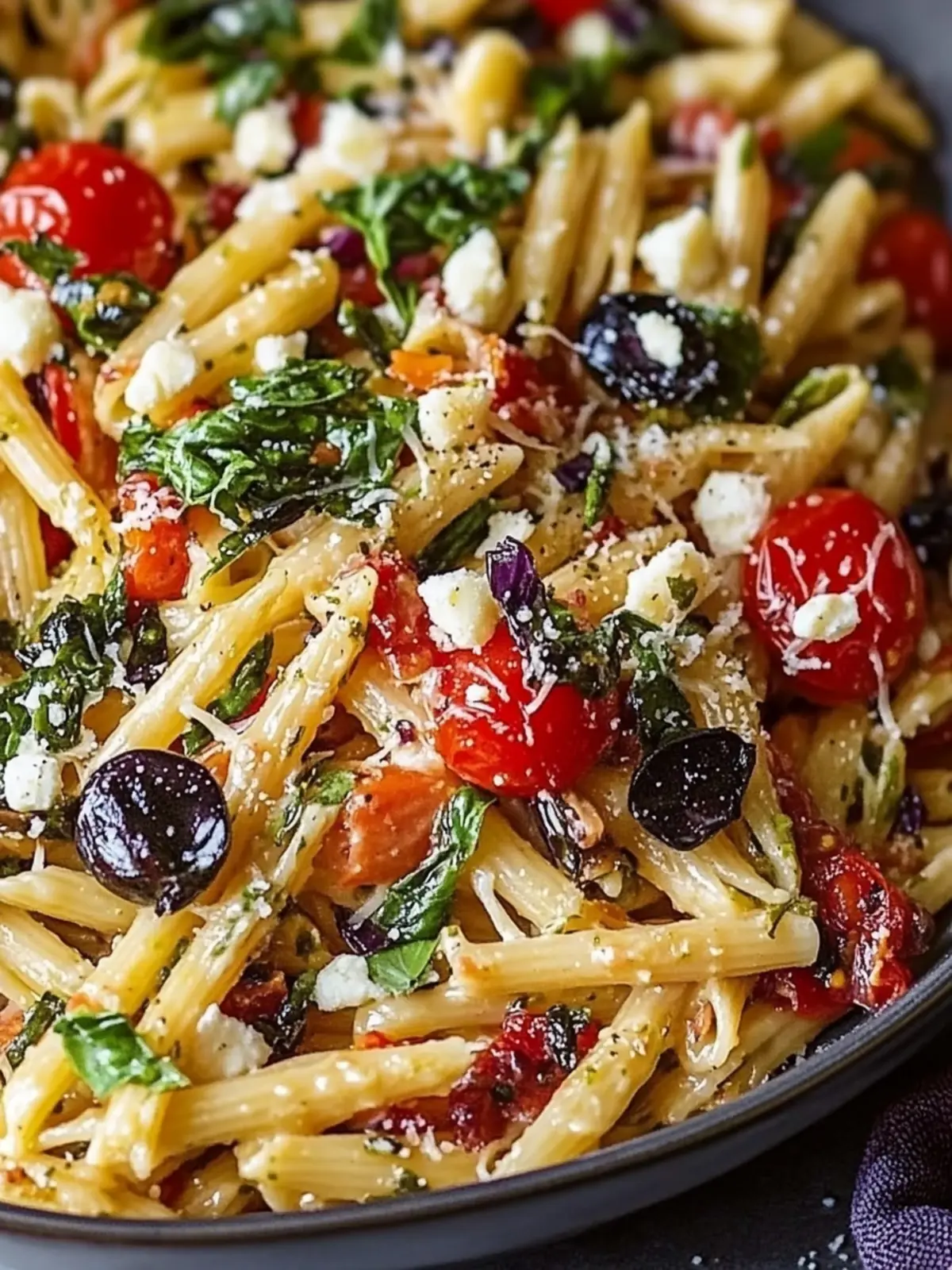
Why will you love Mediterranean Pasta?
Simplicity is key: This recipe comes together in just 30 minutes, making it a go-to for busy weeknights.
Flavor explosion: Each bite is brimming with the vibrant tastes of garlic, fresh herbs, and sun-ripened tomatoes.
Customizable: Use whatever seasonal vegetables or pantry staples you have on hand for a meal that’s truly your own.
Healthy option: Packed with nutrient-rich veggies, this dish not only satisfies your cravings but also fuels your body.
Crowd-pleaser: Perfect for family dinners or impressive get-togethers, everyone will be asking for seconds!
Try pairing it with a refreshing side salad for a complete meal that’s both light and fulfilling.
Mediterranean Pasta Ingredients
For the Pasta
• Pasta of choice – Use whole wheat or gluten-free pasta for a healthier twist.
• Olive oil – Adds richness and helps in sautéing vegetables; use extra virgin for added flavor.
For the Veggies
• Cherry tomatoes – Their natural sweetness bursts with flavor; substitute with diced tomatoes if needed.
• Zucchini – Provides a mild taste and nice texture; feel free to swap with bell peppers for a colorful crunch.
• Red onion – Adds sweetness and depth; yellow onions can also work if that’s what you have.
• Spinach – Offers a nutritious boost; kale is a great alternative if you’re looking for something heartier.
For the Flavor
• Garlic – Essential for that aromatic base; fresh cloves pack a stronger punch than powdered.
• Basil – Fresh basil brightens the dish; dried basil can substitute in a pinch, but use less.
• Oregano – Gives a classic Mediterranean touch; feel free to add other herbs like thyme or parsley for variation.
• Feta cheese – Offers a salty, creamy element; omit or use vegan feta for a dairy-free option.
For the Finish
• Red pepper flakes – Adds a kick; adjust the amount based on your heat preference.
• Balsamic vinegar – Enhances the flavors with a hint of sweetness; lemon juice can be used for a fresher tang.
With these Mediterranean Pasta ingredients, you’ll create a dish that’s not only delightful but a crowd-pleaser that invites everyone to savor the flavors of the sunshine!
How to Make Mediterranean Pasta
-
Cook the pasta: Bring a large pot of salted water to a boil, then add your pasta of choice. Cook according to package instructions until al dente, usually around 8-10 minutes. Drain and set aside.
-
Sauté the veggies: In a large skillet, heat a splash of olive oil over medium heat. Add minced garlic and chopped red onion, sautéing for about 2 minutes or until fragrant and translucent.
-
Add zucchini and tomatoes: Toss in chopped zucchini and halved cherry tomatoes. Cook for another 4-5 minutes, stirring occasionally, until the tomatoes begin to soften and release their juices.
-
Incorporate spinach: Stir in fresh spinach and cook for 1-2 minutes until wilted. Add more olive oil if needed, ensuring the veggies remain vibrant and not overcooked.
-
Mix with pasta: Add the cooked pasta to the skillet, tossing everything together gently. Sprinkle in fresh basil, oregano, and optional red pepper flakes for heat, mixing until well-combined and heated through.
-
Finish with cheese and vinegar: Remove from heat, sprinkle feta cheese over your pasta, and drizzle with balsamic vinegar. Adjust seasoning with salt and pepper as desired.
Optional: Garnish with additional fresh basil for a beautiful presentation.
Exact quantities are listed in the recipe card below.
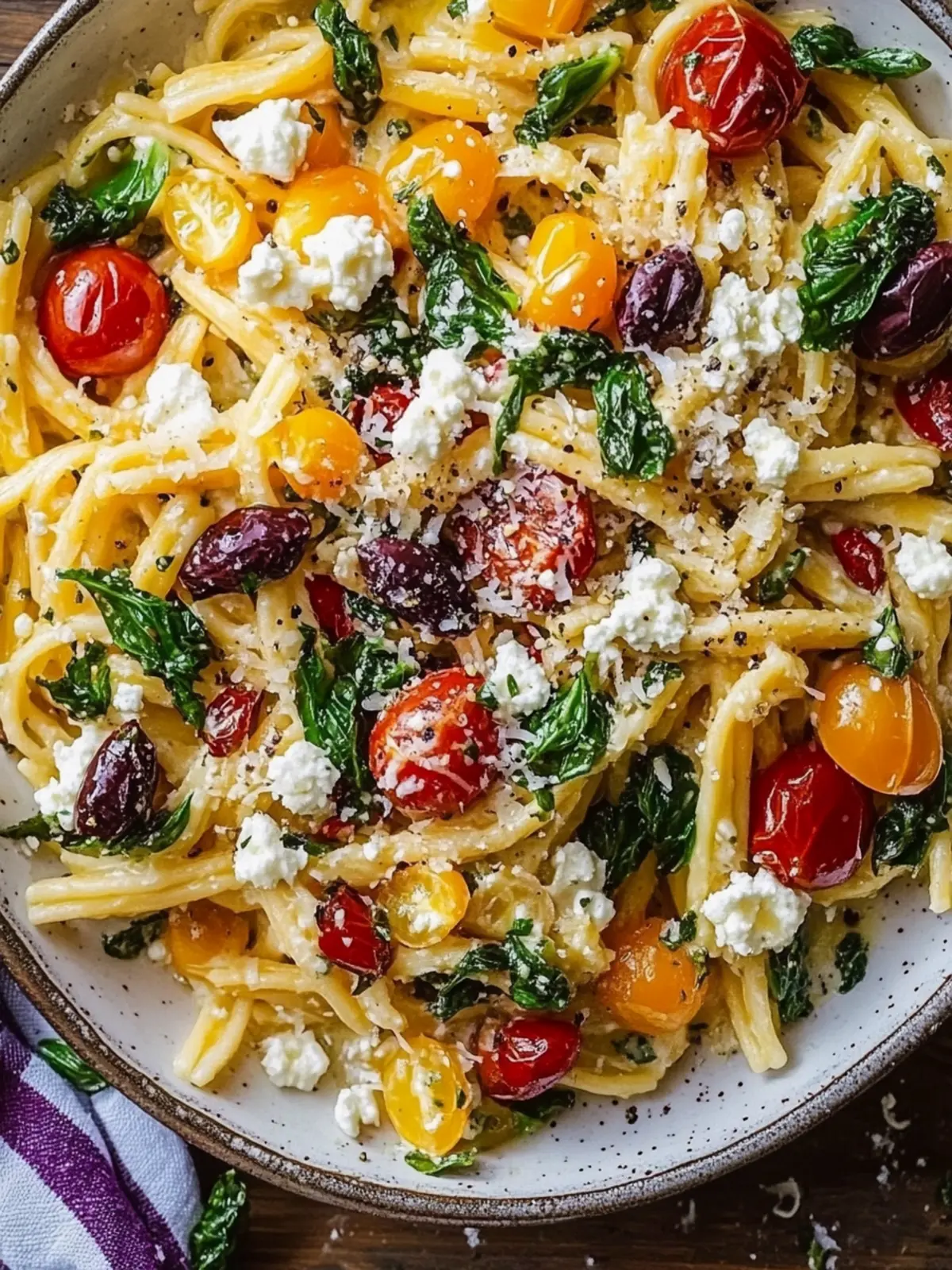
Variations & Substitutions for Mediterranean Pasta
Feel free to explore your creativity within this Mediterranean masterpiece! Each substitution or twist can elevate your dish to new heights.
- Whole Wheat Pasta: Replace regular pasta with whole wheat for a nuttier flavor and added fiber.
- Zucchini Swap: Don’t have zucchini? Bell peppers offer vibrant color and a satisfying crunch instead.
- Herb Variations: Fresh thyme or parsley can be used in place of basil for a unique aromatic twist.
- Cheese Options: For a vegan version, try nutritional yeast for a cheesy flavor without the dairy.
- Seasonal Veggies: Use whatever’s fresh—think asparagus in spring or roasted butternut squash in the fall—for a seasonal variation.
- Protein Boost: Toss in chickpeas or grilled chicken to make the dish heartier and add protein.
- Citrus Zing: Squeeze fresh lemon juice over the finished dish for an invigorating bright flavor.
- Nutty Crunch: Sprinkle toasted pine nuts or walnuts for a delicious crunch and a touch of elegance.
Embrace the world of flavors and textures as you make this dish your own!
Make Ahead Options
Preparing Mediterranean Pasta ahead of time is a savvy choice for those busy weeknights! You can chop all your vegetables up to 2 days in advance, storing them in an airtight container in the refrigerator to keep them fresh. Additionally, you can cook and toss the pasta with a splash of olive oil to prevent sticking and refrigerate for up to 3 days. When you’re ready to enjoy, simply sauté your prepped veggies, mix them with the warmed pasta, and finish with fresh herbs and feta right before serving. This ensures every bite tastes just as delicious as when freshly made, allowing you to savor the comfort of homemade Mediterranean flavors with minimal effort!
Storage Tips for Mediterranean Pasta
Room Temperature: Serve immediately for the best taste; however, if you need to leave it out, don’t exceed 2 hours to ensure food safety.
Fridge: Store any leftovers in an airtight container for up to 3 days. Gently reheat in the microwave or on the stovetop, adding a splash of olive oil to restore moisture.
Freezer: For longer storage, freeze Mediterranean pasta in a freezer-safe container for up to 2 months. Thaw in the fridge overnight before reheating for best results.
Reheating: When reheating, add a bit of water or broth to help revive the flavors and textures. Enjoy this delightful meal warm but be cautious not to overheat, which may affect texture.
Expert Tips for Mediterranean Pasta
• Fresh Ingredients Matter: Use the freshest vegetables and herbs for vibrant flavors. They make your Mediterranean pasta taste like summer on a plate!
• Don’t Overcook: Keep an eye on your pasta! Cooking it al dente ensures a perfect texture and helps it absorb the delicious sauce better.
• Customization is Key: Feel free to mix and match veggies based on what’s in season or what you have on hand. This adaptability makes Mediterranean pasta a versatile dish.
• Balancing Flavors: Adjust the acidity and salt by tasting as you go. A touch of balsamic vinegar can brighten the dish, while too much salt can overpower it.
• Make It Ahead: This pasta is great for meal prep! You can store it in an airtight container and enjoy leftovers the next day; just reheat gently.
What to Serve with Tropical Fruit Salad with Whipped Cream and Toasted Coconut?
Looking to turn this vibrant dessert into a full meal experience? Here are some delightful pairings!
-
Honey-Glazed Grilled Chicken: This savory option offers a perfect balance to the sweet fruit salad, enhancing the tropical vibe. The juicy chicken will impress your diners and bring a satisfying protein element.
-
Coconut Rice: A fragrant side that playfully echoes the tropical flavors. Its creamy texture complements the fruit salad, making each bite feel like a mini-vacation.
-
Quinoa Salad with Citrus Dressing: By adding nutty quinoa and zesty citrus, you create a refreshing dish that invigorates the palate, beautifully contrasting the sweetness of the fruit.
-
Minted Greek Yogurt: The cool, creamy yogurt offers a refreshing dip that pairs beautifully with the fruit, adding a tangy twist to your dessert experience.
-
Grilled Shrimp Skewers: These bring a juicy, slightly smoky flavor to the table, grounding the sweetness of the salad with their succulent charm. Serve with a squeeze of lime for an added zing.
-
Sparkling Water with Lime: A light, bubbly drink that complements the freshness of the salad and cleanses the palate between bites. Add some sliced strawberries for a fruity touch!
-
Chocolate-Covered Macaroons: Indulge your sweet tooth with these chewy treats that harmonize elegance and sweetness, serving as a delightful bridge between the salad and dessert.
-
Lime Sorbet: For those wanting to keep things light, this cool dessert will cleanse the palate while adding a delightful citrus punch that dances with the tropical flavors of the fruit salad.
-
Coconut Milk Smoothie: Blend with your favorite fruits to create a creamy, smoothie bowl that mirrors the flavors of your salad but gives a deliciously different texture experience.
Transform your gathering by thoughtfully pairing delicious dishes that harmonize and elevate your fresh and fruity creation!
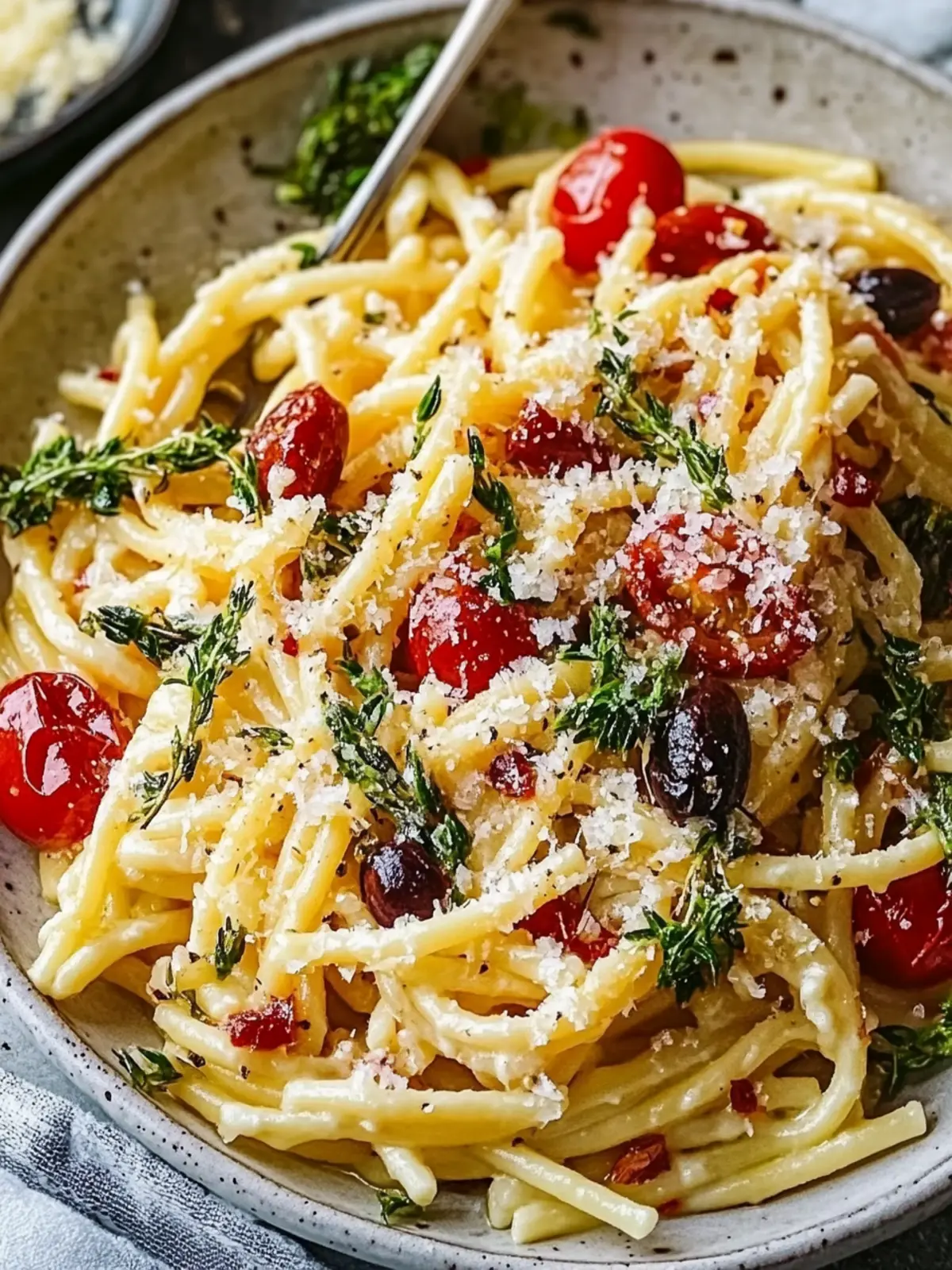
Mediterranean Pasta Recipe FAQs
What type of pasta works best for Mediterranean Pasta?
Absolutely! You can use any pasta you prefer. I often choose whole wheat or gluten-free pasta for a healthier twist, but traditional spaghetti or penne also does wonders. Just ensure to cook it al dente for the best texture that holds up in the dish.
How should I store leftovers of Mediterranean Pasta?
For best results, store any leftovers in an airtight container in the fridge for up to 3 days. I recommend gently reheating in the microwave or on the stovetop with a splash of olive oil to revive its moisture and flavors. Avoid overheating, as it can alter the delightful texture.
Can I freeze Mediterranean Pasta?
Yes, you can! To freeze, place the cooled Mediterranean Pasta in a freezer-safe container, making sure to leave some space for expansion. It will keep well for up to 2 months. When you’re ready to enjoy it again, simply thaw in the fridge overnight and reheat gently.
What if I have dietary restrictions or allergies?
The beauty of Mediterranean Pasta is its versatility! You can easily make it dairy-free by omitting the feta cheese or substituting it with a vegan alternative. Additionally, chop and swap out any veggies based on your dietary needs or preferences. Just be sure to check labels for allergens if you’re using any pre-packaged ingredients.
How do I enhance the flavor of Mediterranean Pasta?
I always suggest balancing flavors as you cook. Taste along the way! A touch of balsamic vinegar can brighten the dish, while a sprinkle of salt enhances the flavors beautifully. If you love a kick, consider adding more red pepper flakes to your liking!
Why is it important to use fresh ingredients?
Fresh ingredients truly make Mediterranean Pasta shine! Using vibrant vegetables and herbs not only enhances the flavor but also adds a delightful burst of color to your dish. I always feel like I’m savoring summer when I use fresh produce!
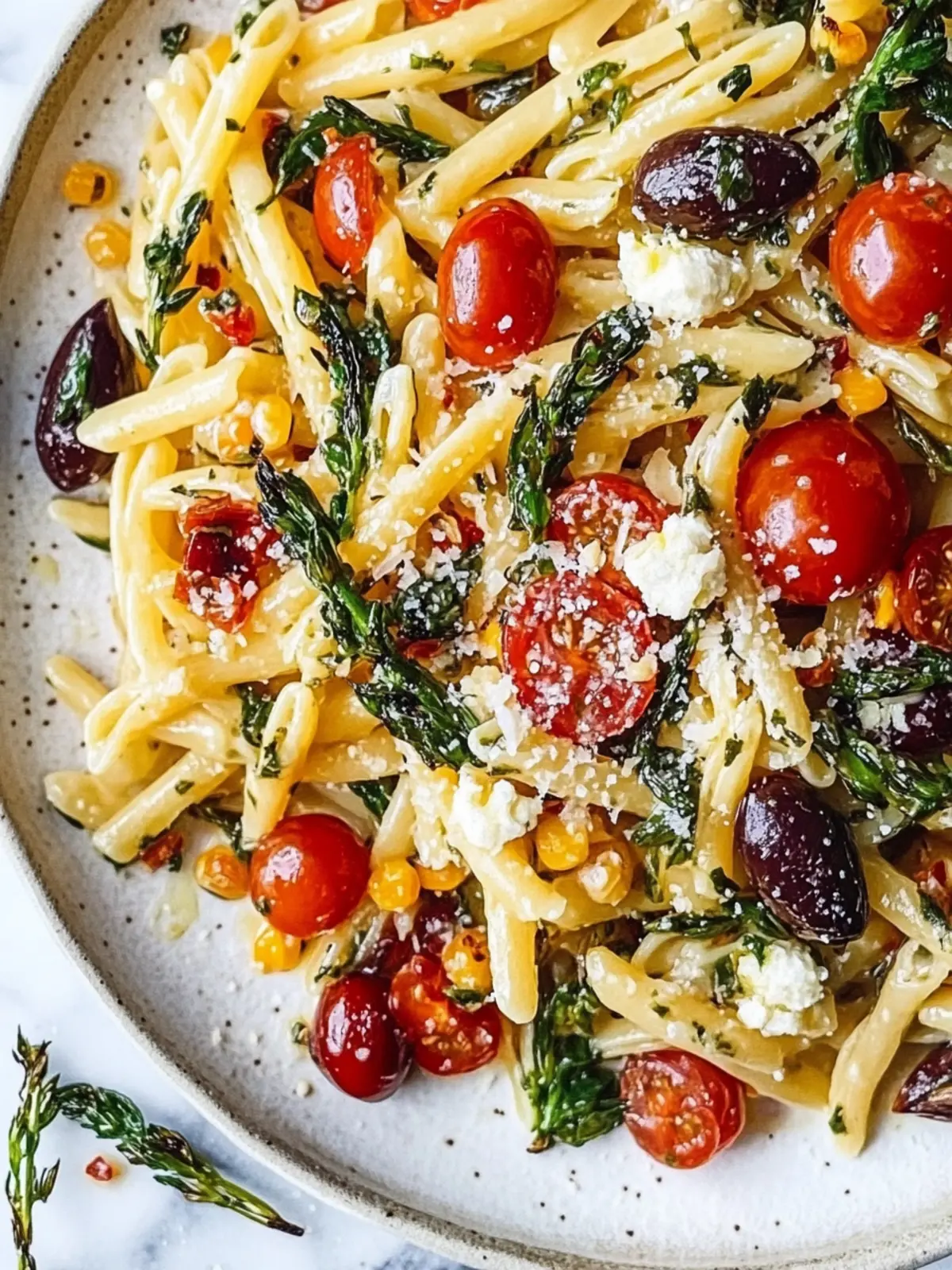
Mediterranean Pasta Bliss: A Flavorful Twist on Tradition
Ingredients
Equipment
Method
- Bring a large pot of salted water to a boil, then add your pasta of choice. Cook according to package instructions until al dente, usually around 8-10 minutes. Drain and set aside.
- In a large skillet, heat a splash of olive oil over medium heat. Add minced garlic and chopped red onion, sautéing for about 2 minutes or until fragrant and translucent.
- Toss in chopped zucchini and halved cherry tomatoes. Cook for another 4-5 minutes, stirring occasionally, until the tomatoes begin to soften and release their juices.
- Stir in fresh spinach and cook for 1-2 minutes until wilted. Add more olive oil if needed, ensuring the veggies remain vibrant and not overcooked.
- Add the cooked pasta to the skillet, tossing everything together gently. Sprinkle in fresh basil, oregano, and optional red pepper flakes for heat, mixing until well-combined and heated through.
- Remove from heat, sprinkle feta cheese over your pasta, and drizzle with balsamic vinegar. Adjust seasoning with salt and pepper as desired.